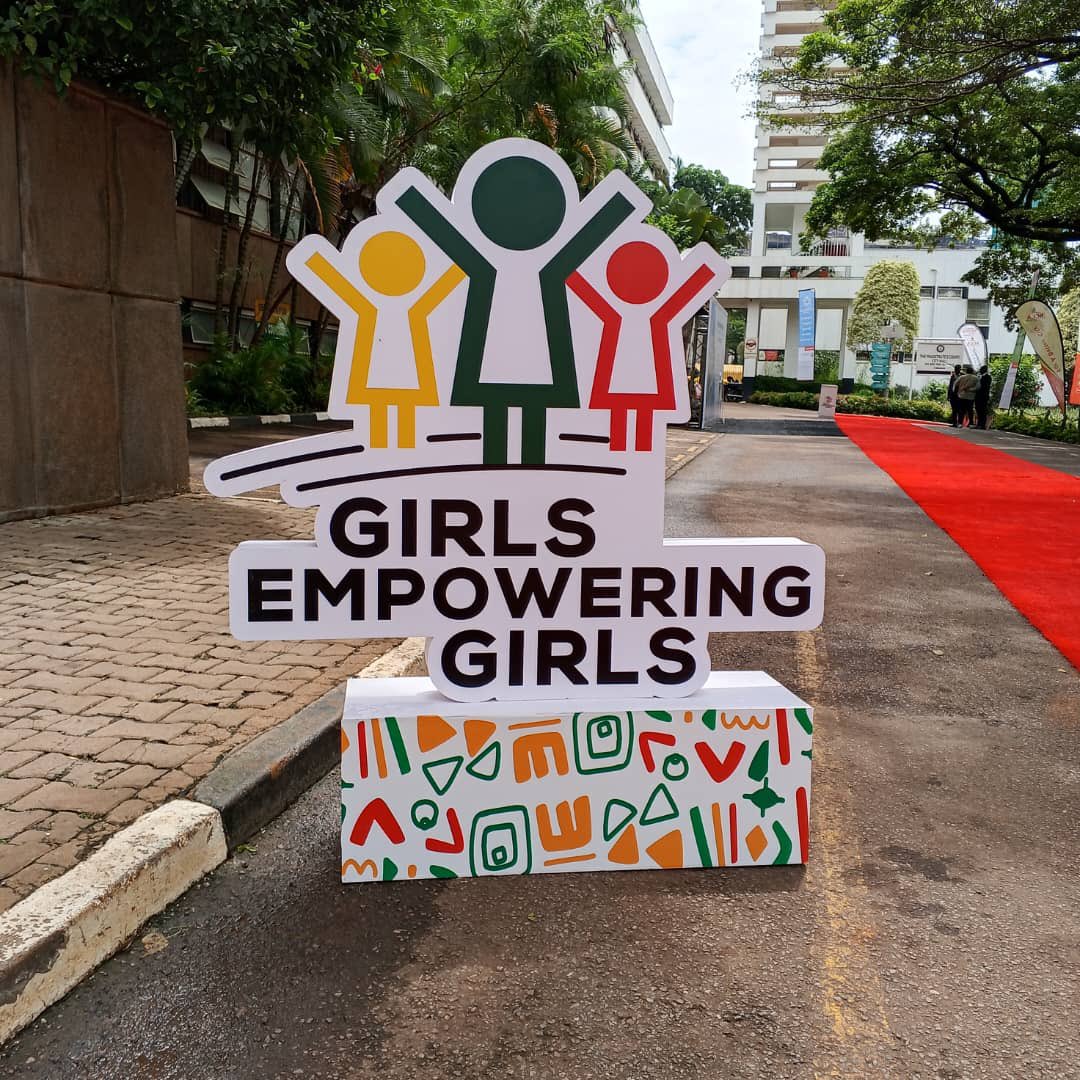
Friday 17th April 2026 didn’t close a programme. It opened a playbook.
At KCCA Grounds, the Girls Empowering Girls (GEG) initiative wrapped up six years of work in Kampala. The goal was 3,000 adolescent girls. The final count was 4,150.
That difference of 1,150 is not paperwork. It is a girl who went back to P.7 after two years at home. It is a teenager who used group savings to buy a charcoal stove and now sells porridge before school. It is a dropout who sat for her UNEB registration last month.
Kampala Poverty Doesn’t Wait
GEG worked because it started with the city, not a template. In Kampala, “empowerment” dies if you ignore transport fare, monthly rent, and the younger brother you babysit every afternoon.
So the programme built around real life. Life skills classes happened after market hours. Savings groups met near taxi stages. Referrals to clinics didn’t close at 4pm. And no girl was turned away because she had never entered a classroom or because she left one years ago.
The mix was deliberate: practical skills + small capital + someone to call when things went wrong. Training without tools is a lecture. GEG gave both.

The Ground We Started On
Uganda’s numbers are tough. Forty-four percent of children grow up in multidimensional poverty. Only one in three completes primary school. A tiny six percent makes it through high school.
GEG was a six-year push against those odds. Girls returned to school. Others launched micro-businesses. Many juggled both. The team measured success in questions a girl could now answer: Can you say no and be safe? Can you earn your own money? Do you know where to run if home turns violent?
Friday’s testimonies gave the answers. One girl spoke of rejoining St. Peter’s P/S in 2023 after leaving in 2021. Another explained how her hair-braiding clients now pre-book on phone. These are not “beneficiaries”.
Who Filled the Grounds
The closing ceremony pulled in the highest office in the land, city leadership, and the development partners who funded the work since 2019. Their attendance mattered because it confirmed what the programme insisted from day one: supporting adolescent girls is not a side project. It is core service delivery. It belongs in budgets, in KCCA work plans, in national policy.
Belgium’s backing was critical. But the daily grind sat with KCCA staff, community volunteers, teachers who tracked absent girls, and nurses who honored 6pm referrals.
Why It Won’t End at KCCA Grounds
Calling Friday a “close-out” gets it wrong. GEG leaves behind a tested way of doing urban social protection:
1. Start with the city’s clock. If your meeting is at 10am, the market girl won’t come. Meet her at 6pm.
2. Cash plus skills beats skills alone.
A certificate doesn’t buy exam fees. A savings group plus a startup kit does.
3. Track power, not just presence.
Attendance is easy. Track whether she can negotiate price, refuse sex, or report abuse.
Six years was the trial period. The trial worked.
After the Tents Came Down
By Friday evening, KCCA Grounds was empty. The girls were not.
Some will write PLE this November because GEG paid the registration. Others will wake at 5am to fry chapati because they own the pan and the charcoal. A handful will train the next set of girls in their zone, with or without funding. That is the handover: girls building girls.
The event theme read “Empowered Girls, Resilient Futures.” On the ground, resilient looked like this: a 17-year-old mother who still walks to S.3. A girl whose shop stayed open during last month’s riots because her customers are on her street. A child who saved the KCCA toll-free number in her button phone.
The Real Question
What does it cost to change a girl’s future? Money, yes. Will, definitely. But Friday proved the cheapest ingredient: design that refuses to leave her behind.
GEG closed on 17th April 2026. The blueprint opened the same day.
For every parish in Kampala still waiting, for every girl pulled out of school last term, for every division that says “no budget” — the answer now exists.
4,150 girls. Six years. One evidence pack: invest in adolescent girls and the whole city breathes easier.
That’s not the end of a project. It’s the start of an expectation.