Kawempe residents can sleep a little easier these days. But not much.
On 21st April 2026, Kampala Metropolitan Police ran an intelligence-led operation along Tula Namere Road in Kawempe Division, Kampala District. The target: panga-wielding thugs who’ve been breaking into homes, cutting people, and robbing them blind.
It worked. Partially.
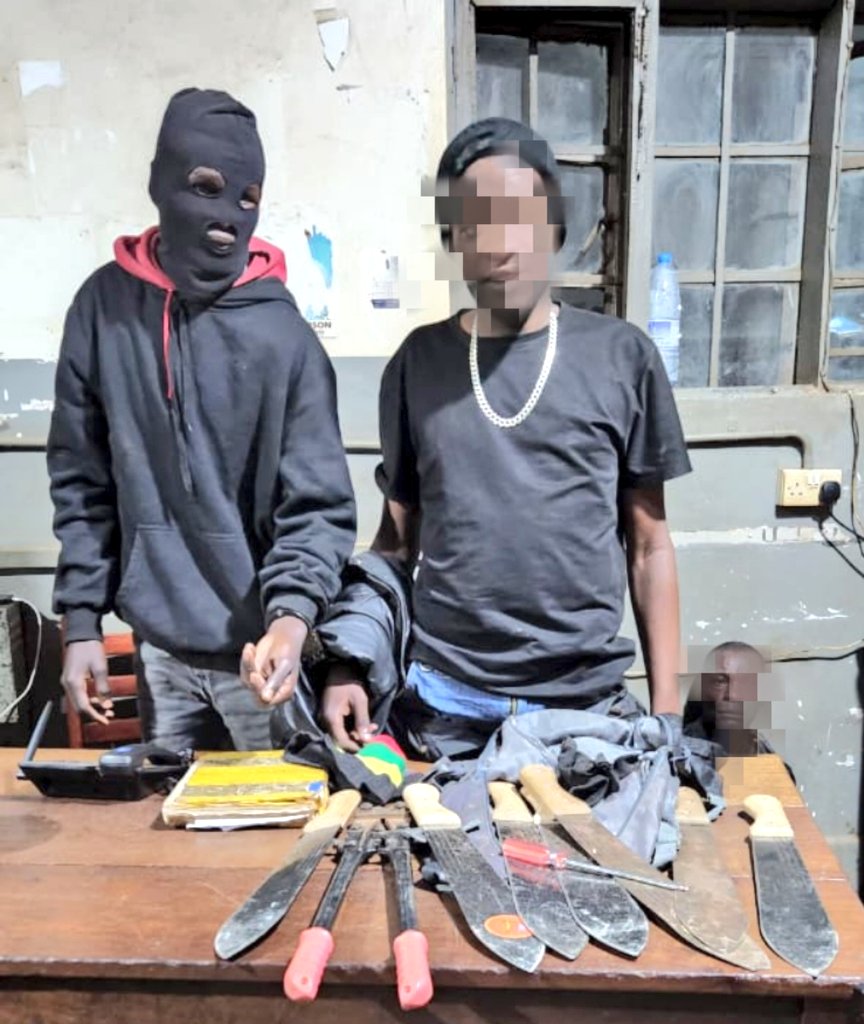
KMP spokesperson Rachel Kawala confirmed the arrest of two suspects: Serwanja Najjib and Derrick. When officers searched their bags, they found pangas, breaking implements, and two suspected stolen phones. The motorcycle they were riding, UGD 081D, was also impounded. The number plate was deliberately concealed.
That detail matters more than the pangas.
The Pattern: Why These Gangs Are Different
This is not petty theft. This is home invasion with intent to maim.
“Preliminary investigations reveal that the suspects were involved in breaking into people’s homes, brutally attacking victims with pangas, and then robbing them of their belongings,” Kawala said.
Here’s how it works in Kawempe, Nansana, Kyebando, and Bwaise since January:
They scout in daylight. One boy poses as a hawker or scrap dealer. He checks which homes have no dogs, no guards, no lights, and who leaves for work at 6AM.
They strike at 2AM. Most attacks happen between 1AM and 4AM when even neighborhood watch is asleep and police patrols have passed.
They use pangas first. Not to threaten. To injure. A bleeding victim doesn’t chase. A bleeding family doesn’t scream loud enough to wake the whole zone. The first cut buys silence.
They rob fast. Phones, cash, TVs, gas cylinders. In and out in 10 minutes. They don’t want safes. They want what fits in a sack.
They vanish on bodas. With hidden plates like UGD 081D. Three men on one bike, hoods up, straight into the swamp roads.
Tula Namere Road is just the latest hotspot. Landlords there say at least five homes were hit in March alone. Most victims don’t report. They stitch the wound and buy a new padlock.
Inside the Gang: Roles and Recruits
Police sources say panga gangs aren’t random. They have structure.
The Spotter: Usually a teenager. He knows the area. He gets 10% of the loot.
The Cutter: He carries the panga. He’s often high, often the most violent. He gets 40%.
The Rider: Owns or steals the boda. He knows escape routes. He gets 30%.
The Seller: He’s older, with contacts. He moves phones to Arua Park by morning. He gets 20%.
Serwanja and Derrick were likely Cutter and Rider. That means Spotter and Seller are still free. Kawala says “our forces are intensifying efforts to apprehend other suspects involved in these violent robberies. Investigations are ongoing as the police continue their crackdown on panga-wielding thugs in the region.”
The gang will recruit again by Sunday.
Why Concealed Number Plates Are the Real Clue
The boda UGD 081D had its plate covered with tape. That’s not laziness. That’s strategy.
Gangs know CCTV is spreading on main roads. They know police now run plate checks during operations. They know boda stage chairmen are under pressure to report unknown riders.
So they steal bodas, grind off chassis numbers, and use them for 3 weeks before dumping them in Luwero. A boda without identity is a ghost. It can hit three homes in one night and nobody tracks it.
Until now, police focused on the panga. They need to focus on the plate. Every concealed plate at 1AM is probable cause.
How to Stop Panga Attacks: What Actually Works
Arrests are reaction. Prevention is survival. Here’s what Kawempe residents and police can do today:
Light Is a Weapon
Thugs hate light. 90% of panga home invasions happen in dark alleys or unlit compounds. A Shs15,000 solar security light on your gate cuts your risk by half. LCs should lobby UMEME and Wakiso District for street lights on Tula Namere Road. Dark zones are death zones.
Dogs Still Work
A barking local dog has saved more homes than a police patrol. Gangs skip houses with noise. If you can’t afford a guard, feed one stray. Chain it at the gate.
Boda Stage Accountability
The bike UGD 081D came from somewhere. All boda stages in Kawempe must register members, photograph them, and log night trips.
Plate Operations
Police must run “Operation Number Plate” from 11PM to 4AM. Any boda with concealed, missing, or fake plates gets impounded. No stories. No “I was going to wash it”. If it’s hidden, it’s criminal. Charge them with concealing evidence.
Neighborhood WhatsApp Alarms
Kawempe zones need one admin, 100 members. One message: “Pangas at Tula Namere House 23”. Every phone rings. Thugs run when the whole lane wakes up. Phones are faster than 999 and evidence for court.
Don’t Fight a Panga
If they’re in your house, don’t be a hero. Property is replaceable. Your tendons aren’t. Throw the phone. Lie down. Memorize faces, accents, tattoos. Report. Fighting panga gangs unarmed is how victims become murders.
The Bigger Problem: Idle Hands, Sharp Pangas
Serwanja and Derrick are likely 19 to 25. No job. No school. No hope.
Pangas cost Shs10,000 in Owino. A stolen Tecno sells for Shs80,000. One night pays more than a month of casual labor.
Until Kawempe has more jobs than idle youth, police will arrest two and four more will rise. Skilling centers. Garbage collection jobs. Parish Development Model cash that actually reaches them. Those are security tools too. You can’t police your way out of poverty.
What Happens Next
Kawala says investigations continue. Expect more raids. Expect more names. Expect the Seller to be the hardest to catch.
If the lights are still off, if bodas still move with masked plates, if homes are still dark, then the gang just learned to wait two weeks.
Arresting Serwanja and Derrick is a win. Making sure their replacements don’t have easy targets is the war.
Kawempe complained. Police responded. Now the street has to respond too.
Lock your gate. Light your compound. Know your boda guy.
Because the next panga isn’t coming for a press release. It’s coming for your door at 2AM.