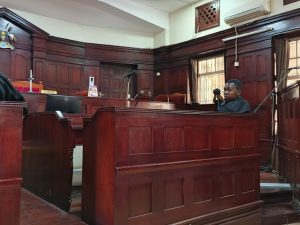
The High Court file was ready. The accused were in court. The judge was on the bench. Then nothing moved.
Dr. Kizza Besigye and his co-accused Hajj Obeid Lutale declined to proceed without their chosen lawyers. Their defence team, drawn from more than 10 law firms, boycotted the session. The reason they gave is simple: the lawyers they want are not available, and without them, the trial cannot be fair.
This is no longer just about bail. It is about a basic question: Can a person be tried when the legal team they trust has been broken up?
The Core Claim: Right to Counsel of One’s Choice
From Luzira Prison, Besigye and Lutale wrote to the Criminal Division judge. Their position is clear. They insist on representation by the lawyers they appointed, including those who are currently unavailable. They say forcing them to take other lawyers violates their constitutional right to a fair hearing.
For an ordinary Ugandan, this is not abstract. Many people save for months to hire a lawyer they trust. If that lawyer is arrested on the way to court ‘Hon Erias Lukwago’, or blocked from entering the country ‘Hon Martha Karua’, the client is left exposed. The Constitution protects the right to a lawyer of choice. Courts have to balance that right against the need to move cases. Today, that balance failed.
Why the Team Broke: Arrest and Deportation
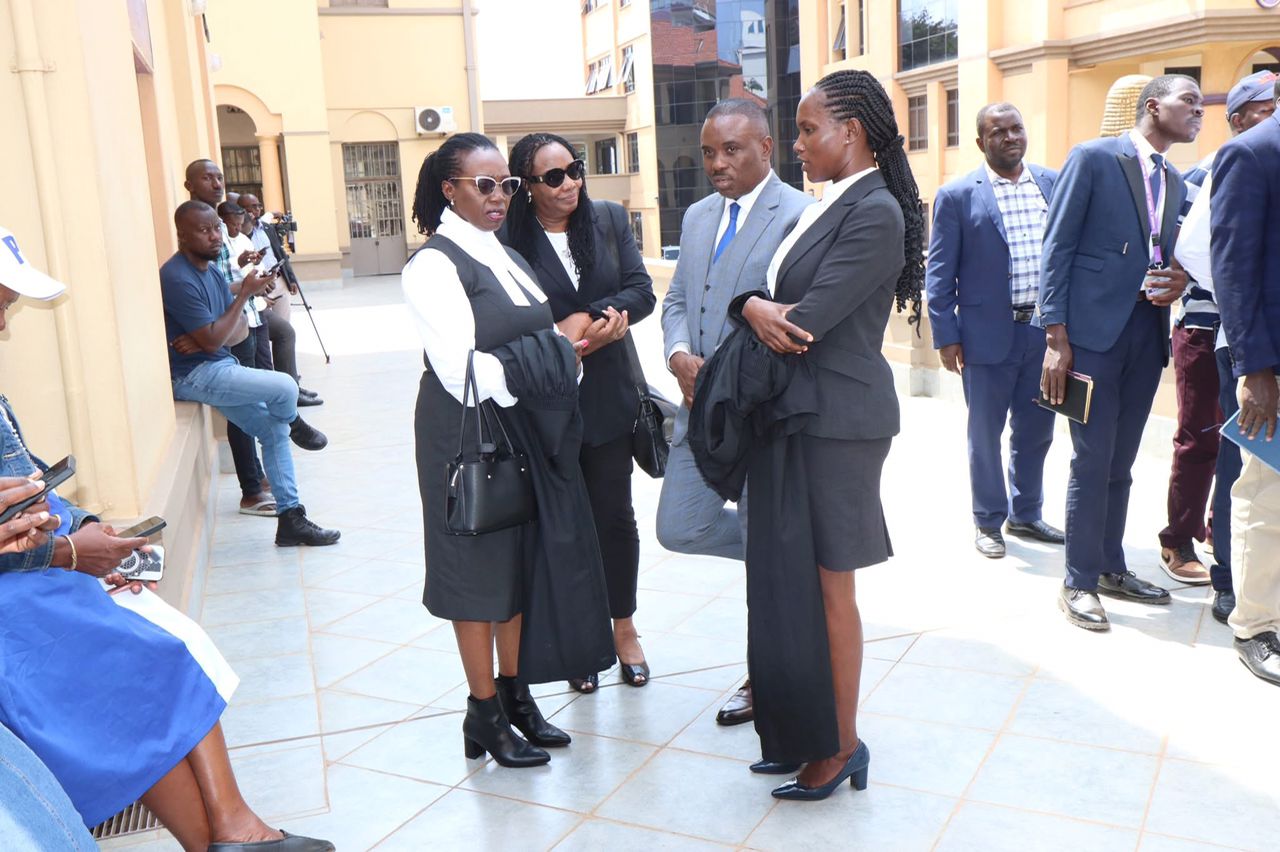
According to the letter from prison, two key lawyers are out of the picture. One was arrested after attempting to serve court documents for a human rights case. He was charged, denied bail, and remanded. The other was turned away at the airport and declared a prohibited immigrant after being appointed to lead the defence.
The accused argue this was not coincidence. They say it was a deliberate dismantling of their defence. Whether or not that is true will be argued later. For now, the effect is the same: the people they picked to speak for them cannot speak.
That leaves a prisoner with a choice: accept a lawyer you did not pick, or say “I will not proceed.” They chose the second.
The Timeline Problem: Three Days is Not Enough in Luzira
The court had set a tight schedule: state response by day one, rejoinder by day two, hearing by day three. For a free person with a lawyer next door, that is tight but possible. For two men in Luzira with no access to their counsel, it is impossible.
Affidavits must be drafted. Documents must be served. Instructions must be taken. In prison, even getting paper signed takes time. The accused asked for at least three weeks. The court had fixed three days. That mismatch is what broke the hearing.
The Bigger Case in the Background
The bail application is one file. There is another: a human rights enforcement application against senior security officials over an arrest outside Uganda in November 2024. The state says the travel was to plan to overthrow government. The defence says it was for a book launch and meetings. Prosecutors also refer to recordings by a foreign national they describe as an informant.
Those facts will be tested with evidence. But evidence needs lawyers. If the defence team is not in the room, the court hears only one side. That is why the accused are refusing to proceed.
For the Ordinary Citizen: “Will the Court Listen to Me?
At a taxi park or in a village LC court, people watch this and ask one question: “If they can block a senior politician’s lawyers, what about me?”
Trust in courtrooms is built on small things: being heard, having your lawyer present, getting time to prepare. When those things collapse in a high-profile case, fear spreads. People start settling outside court. They stop filing cases. They lose faith.
For the Elite: Institutions vs. Personalities
For Uganda’s political and legal elite, this is a stress test for institutions. Parliament, the bar, the bench, and security agencies all have roles. When lawyers are arrested while serving documents, or barred at the airport after being briefed, it sends a signal beyond one case. It tells the bar: this work is risky. It tells litigants: choose safe lawyers.
A country that wants serious investment, donor confidence, and rule-of-law rankings cannot afford a reputation that lawyers are targets.
What the Court Can Do Next Without Losing Face
1. Grant a realistic adjournment: Three weeks to reconstitute the defence is not delay. It is due process.
2. Secure the bar: Clear, public assurance that lawyers can serve documents and appear without arrest or deportation, unless there is a separate, lawful charge unrelated to representation.
3. Separate the files: Handle bail on its merits, and handle the human rights enforcement separately, with timelines both sides can meet.
4. Record everything: Publish the directions, the reasons for timelines, and the orders. Transparency cools tension.
If the court pushes ahead without defence counsel, it risks a verdict that looks political rather than legal. If it adjourns and secures the bar, it strengthens the bench.
The Risk of a “Court vs. Accused” Fight
Headlines will frame this as a face-off. In court, that is dangerous. A judge cannot be seen fighting the accused. An accused cannot be seen fighting the court. Both must fight for process.
When the defence says “without our lawyers we will not return,” they are not saying “we reject the court.” They are saying “give us the court the Constitution promises.” That distinction matters.
Conclusion: A Trial Needs Two Sides to Breathe
A courtroom without a defence is a monologue. A prison letter without a lawyer is a shout into a wall.
Besigye and Lutale’s boycott forces Uganda to answer a hard question: Is the right to counsel real, or only on paper? If it is real, then the court must make space for it, even if it takes weeks. If it is not, then every future accused will know the rules change when the case is big.
For the ordinary Ugandan, this is about whether a poor man can keep his lawyer. For the elite, it is about whether the judiciary can stand above the politics of the day.
The case will return. The only question is whether it returns as a fair trial, or as a standoff.