This morning at the International Crimes Division in Wandegeya, the law spoke first. Politics will speak later.
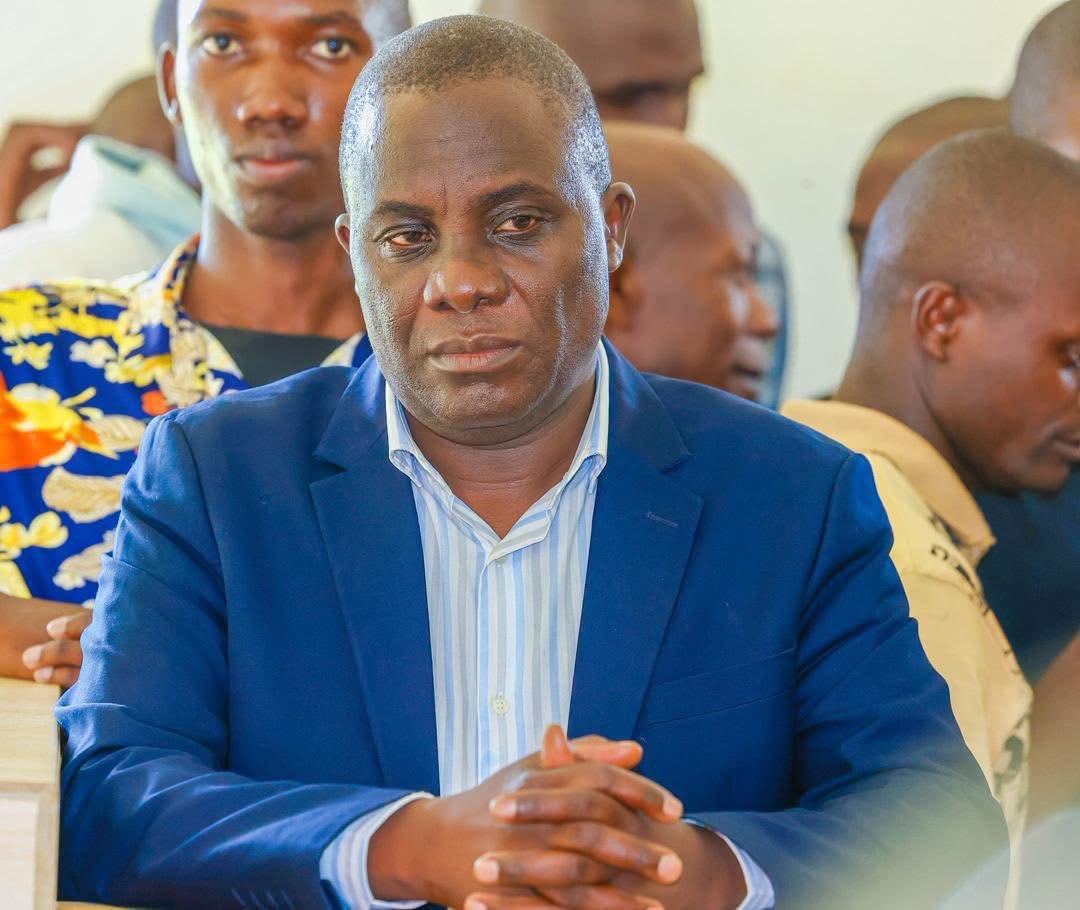
Hon. Muhammad Muwanga Kivumbi, NUP Deputy President for Central Uganda and former MP for Butambala, walked out on cash bail of Shs10 million. Each of his co-accused walked out on Shs1 million. Six others had their applications deferred to next week pending fresh substantial sureties.
The charges are serious. Terrorism. Political violence. An alleged attempted attack on an election tally centre in Butambala on the night of 15/16th February 2026.
The court’s reasoning was simple and old: the prosecution failed to prove flight risk, failed to prove interference with witnesses, and failed to prove danger to the public.
The Law vs The Speech
The timing is what makes this ruling loud.
Just days ago, there was a public argument from the highest office that politicians facing criminal charges should not be granted bail. The reason given: they could interfere with witnesses.
Today, a High Court judge did the opposite. Granted bail. Set conditions. And sent the file back to procedure.
To the ordinary person in Butambala, that looks like two different Ugandas. One where statements decide who stays in, and one where evidence decides.
To the elite lawyer, this is textbook. Bail is not punishment. It is a constitutional right under Article 23. The state must prove why you should not get it. “He is a politician” is not a legal ground. “He will run, he will threaten, he will harm” is. The prosecution did not meet that bar.
That is the tension this case now carries: a political demand for no bail, and a legal demand for proof.
The Terms Tell A Story
Look closely at the conditions. They are not light.
Shs10 million cash for Kivumbi. Shs1 million for each of the others. Surrender of passport and travel documents. No leaving the country without court clearance. Report once every month to Butambala Chief Magistrate’s Court. Report every last Friday to the ICD court in Wandegeya.
The court is saying two things at once.
First: “You are presumed innocent, so you can go home.”
Second: “We are watching you very closely.”
And the reporting requirements mean this case will follow them every month. No disappearing. No hiding. Court becomes part of their calendar.
Why This Matters Beyond NUP
Yes, Kivumbi is NUP. Yes, the allegations relate to election violence. But strip the party colors and you get a principle.
If terrorism charges alone were enough to deny bail, then bail would not exist for serious crimes. The Constitution would be decorative.
The court chose to test the prosecution. “Show us the risk.” The prosecution could not. So the court chose liberty, with chains.
For government supporters, this will feel like the court is being soft on “terrorists.”
For civil society, this will feel like the court is doing its job despite pressure.
For the average Ugandan, the question is more practical: “If they are dangerous, why are they home? If they are not dangerous, why were they locked up this long?”
That question has no comfortable answer.
The Six Who Are Still Waiting
The court deferred bail for six applicants: Ssewanyana Brian, Kayanja Calvin, Muwanguzi Brian, Owori Brian, Akankwasa Brian, and one more. They must bring fresh substantial sureties next week.
That deferral matters. It tells families: start mobilizing money and respectable people to stand for you. It also tells the public that bail is not automatic, even in the same file. The court is weighing each person.
For those six, another week in. For the others, another chapter outside, but with a case number.
What Happens Next
This is not an acquittal. NUP itself said it in their statement: “there is nothing to celebrate at this time as the case remains before the court, and the charges are yet to be determined.”
The next steps are procedural but heavy:
1. Communal to High Court. Once that happens, appearances at Butambala will stop and everything moves to Wandegeya.
2. Trial. The prosecution must now prove terrorism beyond reasonable doubt. Not allegations. Evidence.
3. Politics. With 2026, every court date will be read as a political signal.
The state will argue national security. The defense will argue political persecution. The judge will be asked to separate the two.
The Hard Conversation Uganda Must Have
We want security. We also want law.
When a public official says “don’t give them bail,” and a court says “we will, because you didn’t prove risk,” that is not defiance. That is separation of powers.
But it feels like defiance because we are used to alignment. Used to courts, parliament, and the executive moving in one direction.
Today’s ruling breaks that expectation.
To the mother in Gombe whose son is one of the co-accused, this means he can come home tonight, but must return to court every month.
To the voter, this means the courts are still a place where arguments, not titles, decide.
Bail is not the end. It is a pause.
The real judgment will come when witnesses testify, exhibits are tendered, and the court decides if that night in Butambala was terrorism, politics, or both.
Until then, Shs10 million and a monthly signature are the price of freedom. And the price of testing whether Uganda’s law can hold even when politics wants it to bend.