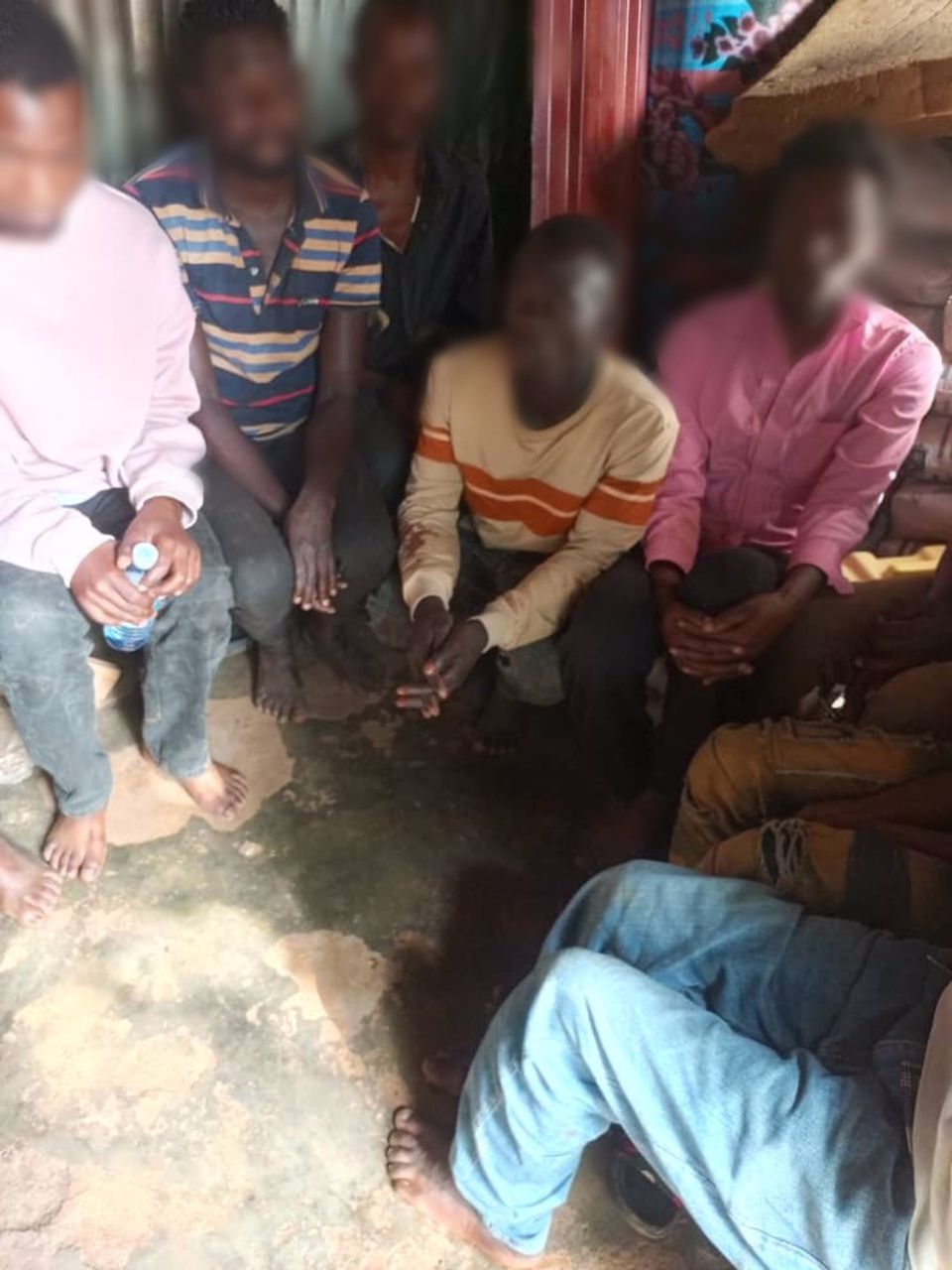
In less than two days, Kampala Metropolitan Police swept through three divisions, picked up 38 people, and walked away with bags of suspected narcotics and other exhibits.
On the night of May 19, 2026, officers hit Bendegere, Kasenyi, and Nakiwogo in Entebbe. Thirty-one suspects ended up at Entebbe Police Station. The day before, a separate operation in Jojo, Sonde, and Misindye in Mukono’s Goma Division netted seven more. All are now detained pending prosecution for robbery, burglary, and drug-related offenses.
On paper, it’s a textbook “disruptive operation.” In practice, it’s a window into how crime and policing actually work in Greater Kampala.
Why Entebbe and Mukono, and Why Now
Bendegere, Kasenyi, and Nakiwogo aren’t random names. They sit along Entebbe’s lakeshore and transit routes, areas where bars, guesthouses, and informal settlements overlap. That mix creates opportunity for petty robbery, break-ins, and drug distribution.
Jojo, Sonde, and Misindye in Mukono tell a similar story. They’re peri-urban zones feeding into Kampala, with rapid rental growth and weak street lighting. Criminal networks like these places because they’re close enough to the city for markets, but far enough to avoid constant police presence.
KMP calling these “known hotspots” matters. It means intelligence exists. The question is why action happens in bursts, not continuously.
The Anatomy of a “Disruptive Operation”
Disruptive operations aren’t investigations in the CSI sense. They’re fast, high-visibility sweeps designed to break momentum.
Police move at night, seal off areas, search suspected hideouts, and detain people found with contraband or on existing watch lists. The goal is immediate: remove suspects, seize exhibits, create fear of getting caught.
That’s why you see 31 arrests in Entebbe alone. It’s not about building airtight case files overnight. It’s about making the area hostile to criminals for the next few weeks.
For residents, that means quieter nights. For the police, it means temporary data on who’s operating where.
The Ordinary Ugandan View: Relief and Doubt
If you live in Kasenyi or Sonde, these raids feel good. A week after police roll through, boda riders stop getting robbed at 11 PM. Shop owners sleep better.
But the doubt comes quickly. “Will they be back next month?” “Were the right people arrested, or just whoever was around?”
That doubt isn’t cynicism. It comes from experience. Uganda has seen this cycle before: big raid, press release, quiet for 3 weeks, then the same guys reappear. Without follow-up prosecutions and community policing, disruptive operations risk becoming theater.
The risk is that metrics replace outcomes. Activity looks good on paper. Reduced burglary rates six months later is what actually matters.
Drugs, Robbery, and the Link Police Can’t Ignore
KMP said the Entebbe suspects were found with suspected narcotics. That detail is the thread connecting most urban crime in Uganda.
Robbery and burglary often fund drug habits, and drug sales fund more robbery. If you only arrest the street-level guys and leave the supply chain untouched, you get a revolving door.
The real test for KMP is whether these 38 arrests lead to charges that stick, and whether investigations move up the chain to suppliers. If not, you’ve just emptied one cell to make space for the next batch.
What Needs to Happen Next for This to Stick
Three things separate a one-off raid from real progress:
One, prosecution follow-through. Detaining suspects is easy. Convicting them requires exhibits, witnesses, and cases that don’t collapse in court. Without that, arrests become revolving door statistics.
Two, community intelligence. Police can’t be everywhere. Residents in Bendegere and Misindye know who the repeat offenders are. Formalizing that relationship through community policing committees makes raids more precise and less likely to pick up innocent people.
Three, economic alternatives. Most of the people picked up in these sweeps are young men with no formal employment. You can’t arrest your way out of unemployment. If hotspots keep repopulating, it’s because the incentive structure hasn’t changed.
The Bigger Picture for Kampala’s Security
Kampala is growing outward. Entebbe and Mukono are no longer suburbs; they’re extensions of the metropolitan economy. Crime follows money and population.
KMP’s approach shows they understand geography matters. You don’t secure Kampala by sitting at CPS alone. You secure it by pushing disruption into the rings where crime breeds.
But geography alone isn’t strategy. The next step is turning disruption into deterrence. That means visible patrols after the raid, quicker court processing, and public updates on what happens to the 38 people now in custody.
Silence after the press release is what kills public trust.
Conclusion: A Good Start, Not a Finish Line
Thirty-eight arrests in 48 hours is a strong operational week for KMP. It shows capacity, intelligence, and willingness to act in high-crime zones that most people avoid after dark.
But for the ordinary Ugandan in Nakiwogo or Sonde, the real measure won’t be the headline. It will be whether their child can walk home at 9 PM next month without looking over their shoulder.
For the elite watching from Parliament and State House, the measure will be whether these raids reduce crime stats and stay out of political scandal.
Right now, KMP has bought itself 30 days of breathing room. What they do with it will decide if this was a crackdown, or just another cycle.