
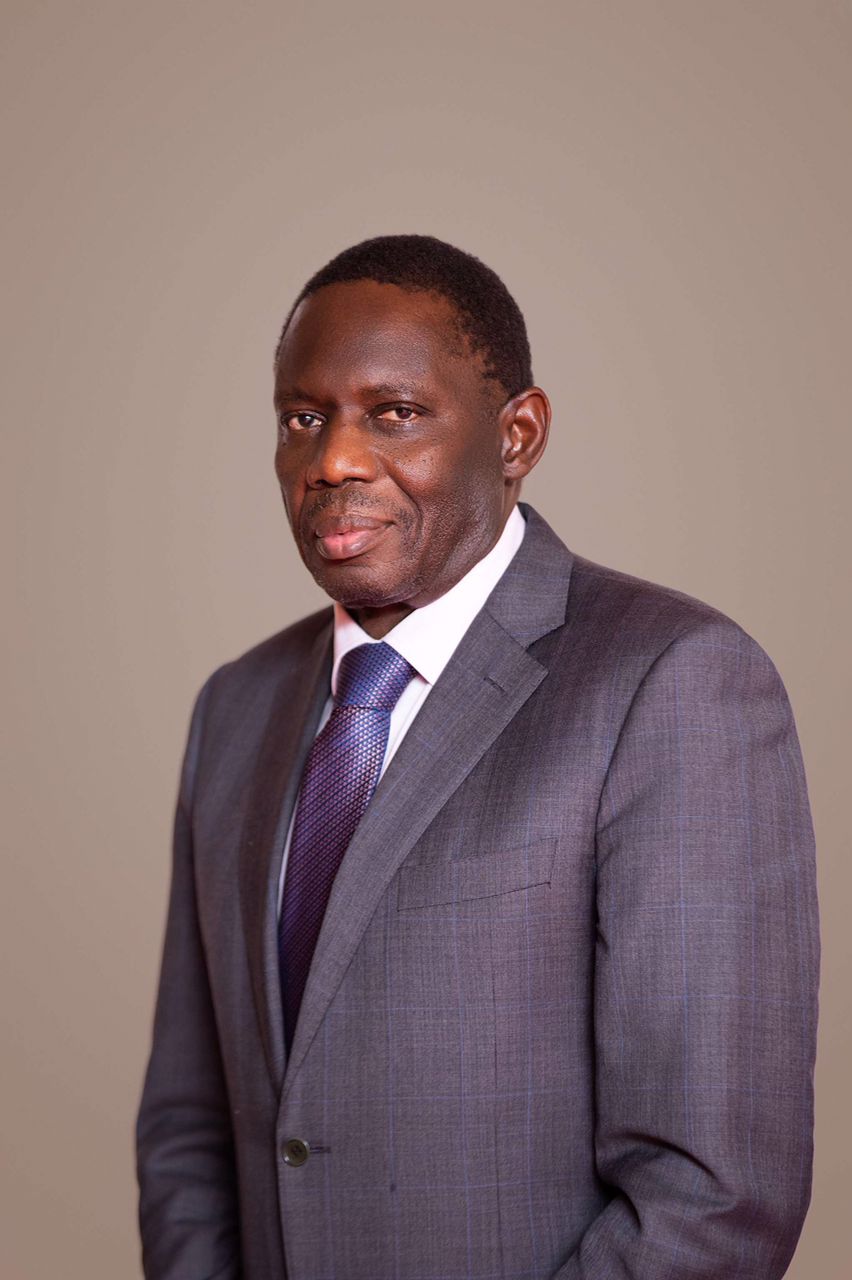
Yesterday, Parliament’s Committee Room fell silent, but not because a politician was speaking.
It was the Governor of Bank of Uganda. And when the man holding the keys to the country’s money vault says a Bill is “economic disaster,” even the most loyal MPs put down their phones.
Governor Michael Atingi-Ego did not mince words before the Joint Committee on the Protection of Sovereignty Bill, 2026. He reduced the entire debate to two numbers: $6 billion and 3%.
The first is Uganda’s current foreign exchange reserves. The second is the inflation rate Ugandans have enjoyed for the past year. His message: pass this Bill as it is, and both disappear.
This is no longer an opposition talking point. This is the central bank saying the Bill threatens the balance of payments, the shilling, prices at the shop, and every loan in your bank.
Reserves Are Not a Luxury. They’re Oxygen.
The Governor’s first warning was blunt: “A country without reserves is not sovereign.”
Forget speeches. Sovereignty, in central banking, is practical. Reserves are what you use to buy fuel when the world refuses your shilling. They’re what you use to pay for medicines, to defend the currency when speculators attack, to import fire trucks when Kampala burns.
Last financial year, Uganda posted a balance of payments surplus of $1.5 billion. That’s why reserves grew to nearly $6 billion. That money didn’t come from taxes. It came from “inflows” — diaspora remittances, NGO grants, investor dollars, tourism, coffee exports, and yes, donor programs.
The Sovereignty Bill, as drafted, puts a question mark on all of it. If a German foundation needs 6 months of clearance to fund a hospital in Arua, it will send the money to Rwanda instead. If a Ugandan in Canada fears her SACCO contribution will be flagged as “foreign influence,” she stops sending.
The Governor’s math is simple: tamper with inflows, and the $1.5 billion surplus becomes a deficit. Run a deficit long enough, and you start burning the $6 billion we have. Burn it long enough, and the next fuel crisis isn’t solved with a press conference. It’s solved with no fuel.
The Inflation Chain Reaction No One Can Escape
The second warning was worse for the ordinary Ugandan. Currency depreciation.
Here’s how it works, without the economics degree:
Inflows drop because of fear, delays, or bans under the new Bill.
Dollars become scarce in Kampala. Banks have fewer to sell.
The shilling weakens. If today $1 = Shs3,700, tomorrow it could be Shs4,500.
Everything imported gets expensive overnight. Fuel, medicine, cooking oil, car parts, phones, wheat for bread.
Shop prices jump. That Shs5k chapati becomes Shs7k. Not because the vendor is greedy, but because wheat is imported.
Inflation explodes. The 3% we enjoy today becomes 9%, 12%, 15%.
The Governor laid out Bank of Uganda’s ugly choice: either raise interest rates sharply to “tighten monetary policy” and kill inflation, or let inflation run past the 5% target and kill savings.
Raise rates, and your mobile money loan jumps from 9% to 15% monthly. Your boda boda loan, your salary loan, your mortgage — all become poison. Businesses stop borrowing. Jobs freeze.
Don’t raise rates, and the Shs50k you saved in 2024 buys sugar and soap only by 2027. Pensioners get wiped out. Fixed salaries become a joke.
This is not theory. We lived it in 2011. The shilling crashed. Inflation hit 30%. Kenyans came here to buy soap because ours was cheaper in dollars. We don’t want that back.
The Elite vs Ordinary: Same Storm, Different Boats
An elite Kampala banker hears “currency depreciation” and thinks: hedge, move to dollar assets, call London.
A teacher in Iganga hears it and thinks: “So my Shs600k salary will buy 3 basins of maize instead of 5.”
The Sovereignty Bill collapses the distance between them. The banker can’t hedge if the whole country is flagged as risky. The teacher can’t hedge at all.
When Bank of Uganda says “price stability will be compromised,” it means the mama selling tomatoes in Nakawa and the CEO in Nakasero are in the same boat. The difference is the CEO has a life jacket. The mama doesn’t.
Why “Unintended Consequences” Is the Scariest Phrase in Finance
The Governor used it deliberately: “unintended consequence.”
Laws don’t care about intent. They care about text. If the Bill says “all foreign funding to civil society must be approved by a security committee,” it doesn’t matter if the drafters only meant “political groups.” The bank in Germany reading the law will see “all.” It will block the transfer to the hospital in Arua to avoid risk.
Money is cowardly. It runs at the first sign of paperwork or suspicion. Uganda has spent 20 years telling investors “we’re open.” One clause can tell them “we’re vetting.” Those are opposites.
And once reserves start bleeding, there’s no quick fix. You can’t legislate dollars back into the country. You beg the IMF. And the IMF comes with conditions that make this Bill look friendly.
So What Is Sovereignty If You Can’t Buy Fuel?
This is the core contradiction Bank of Uganda exposed. The Bill wants to protect sovereignty from external influence. But real sovereignty is the ability to say “no” because you have reserves, not because you have a law.
A country with $6 billion can tell off a bully diplomat. A country with $600 million calls back in 10 minutes and apologizes.
If the Bill creates the very weakness it claims to prevent — economic vulnerability — then it isn’t a Sovereignty Protection Bill. It’s a Sovereignty Reduction Bill.
The Way Out: Listen to the Vault
Parliament doesn’t have to like activists. It can ignore NGOs. It can vote against the opposition.
But it cannot ignore the central bank. Not if it wants salaries paid next July.
The Governor didn’t ask for the Bill to be binned. He asked for the economic part to be heard. That means rewriting every clause that touches dollar inflows, NGO money, diaspora remittances, and investor permissions. Or exempting them entirely.
Because the truth is brutal: you can pass any law you want. But you cannot legislate the exchange rate. The market will set it at Shs5,000 to the dollar if reserves collapse, and no clause in the Bill will buy you posho.
Uganda’s sovereignty was built on 40 years of slow, painful stability. Inflation at 3%. Reserves at $6 billion. A shilling that traders respect.
That is what’s on the table this week. Not slogans. Not flags. The actual ability to buy things.
When the Governor says “economic disaster,” he isn’t doing politics. He’s reading the fuel gauge. And it’s pointing to empty.