
Uganda just sold a player for $1.5 million.
Allan Okello’s move from Young Africans to AS FAR Rabat is worth about 4.4 billion shillings. In any other country that would be front page celebration.
In Uganda it became the start of a fight.
Because the moment the news broke, the conversation shifted. From “well done Okello” to “what is wrong with FUFA?”
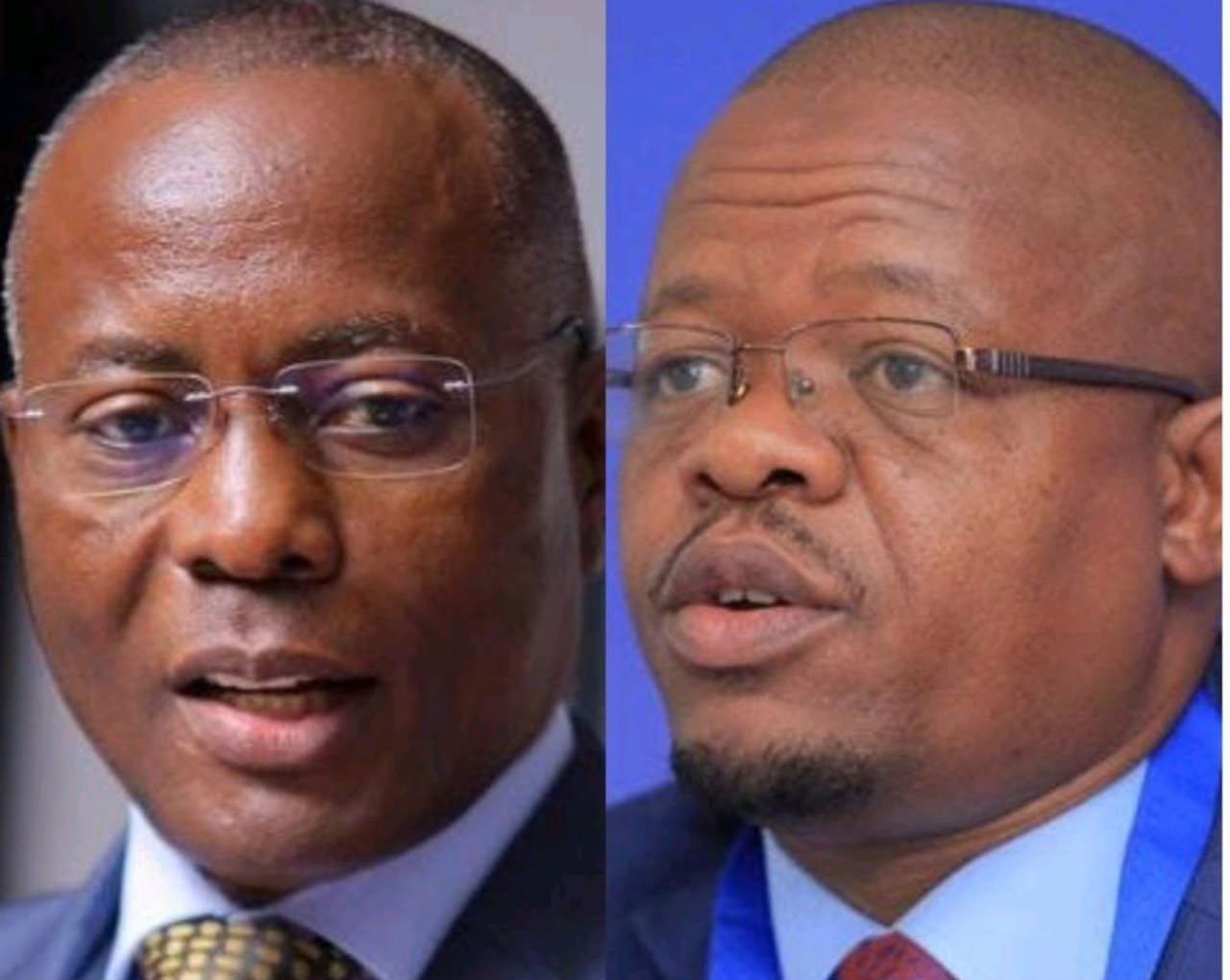
The person asking loudest is Asan Kasingye. Retired AIGP. SC Villa voice. He has gone after FUFA President Moses Magogo directly.
Kasingye’s attack is not just about one transfer. It’s about leadership. He says Magogo has failed to guide Ugandan football at a time when we can least afford it.
His evidence: silence on Uganda’s AFCON 2027 preparations, no clear direction after the World Cup campaign, and a local league that is struggling to stay alive.
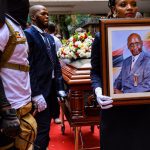
Then he went to something more raw. The death of SC Villa captain David Owori in early August. Kasingye says the federation’s response was not enough. No public address. No presence at the burial from the top office. Just a representative.
“Leadership must stand with players, clubs and fans during difficult moments,” he argued.
Magogo’s response was different. He pointed at the fans. Domestic football is empty, he said, because Ugandans would rather watch foreign leagues on TV than support teams in their own backyard.
Kasingye fired back: if the house is empty, fix the house. Don’t blame the people for not coming in.
Why This Transfer Matters More Than The Money
$1.5M is big. But the debate it caused is bigger.
For the fan in Arua, it raises one question: if we can produce a 4.4 billion player, why is the Uganda Premier League broke?
For the club official, it raises another: Tanzania developed and sold him. Morocco bought him. Where is Uganda’s cut in that business?
We are co-hosts of AFCON 2027 with Kenya and Tanzania. 18 months away. Tanzania is already exporting talent. Kenya is talking stadiums. Uganda is talking past each other.
The Real Issue Underneath
This is not Kasingye vs Magogo as people. It’s two ideas of football colliding.
One idea says: the federation must lead, show up, build the product, and take responsibility when things go wrong.
The other says: the public must also do its part. Buy tickets. Watch local. Fill stadiums.
Both are true. But right now both are also failing.
A player is sold for billions abroad while clubs at home chase transport money. A captain dies and the conversation becomes about who attended. A country prepares to host Africa and spends more energy on arguments than on academies.
This fight is happening at the worst possible time. The world will come to Uganda for AFCON. Visitors will expect to see a football culture, not just new stadiums. They will ask: where are your local derbies? Where are your young stars? Right now we don’t have good answers. If Kasingye and Magogo cannot agree on the basics before the tournament, we risk hosting Africa and embarrassing ourselves with empty stands and a weak league after the cameras leave.
What Happens Next
AFCON 2027 will not wait for us to sort this out.
If FUFA and stakeholders spend the next year fighting over blame, we will host tournaments in nice stadiums with no league to sustain them after.
If they use this moment to reset — player welfare, TV rights, marketing, club licensing — then Okello’s transfer becomes a beginning, not an accident.
For now, Okello is in Morocco. Owori has been laid to rest. And Ugandan football is left with a question no transfer fee can answer:
Who is actually in charge, and what are they building?


We all have a responsibility in our football sport so please calm down with your blame game. Why is Kitara FC doing great & what technique has it applied? Let the club managements play their part and mobilize to watch their
matches as FIFA upgrades in their mode of works.