
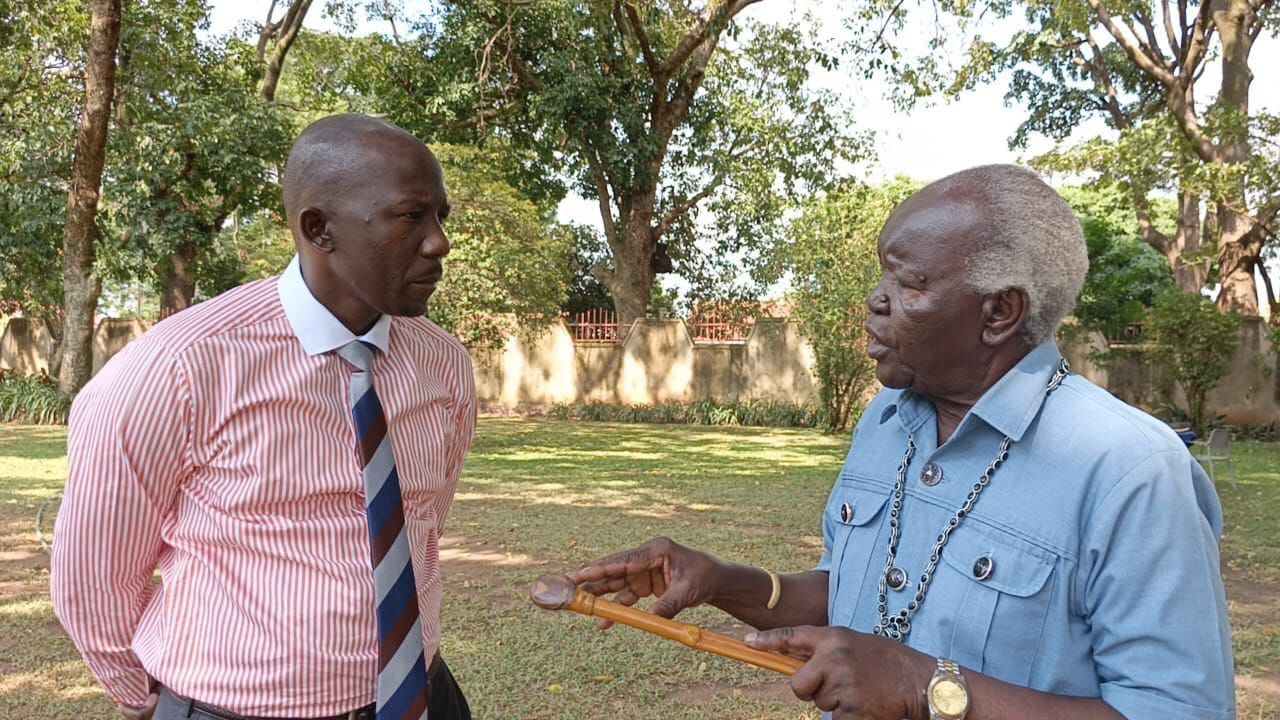
Gulu City sits on rich soil, busy markets, and a young population. What it has been short of, according to Rwot Yusuf Adek, Chief of the Pageya Clan, is discipline around work.
Speaking after addressing Gulu City Councilors during their induction last week, at Acholi Inn Hotel, Rwot Adek did not speak in long policy terms. He went straight to what he sees on the ground.
“This City will grow because we have a good land. The only challenges left now is the only polite way of telling our People to leave too much drinking and getting drunk at the Center and starting to work to change lives,” he told Mayor Acire Julius Gunya.
It was a direct message, and in Northern Uganda, direct is often respected more than diplomatic.
Land Is Not the Problem. Habits Are.
Gulu’s advantage is obvious to anyone who has traveled the region. The land is fertile. The city is a trade hub linking South Sudan, West Nile, and Kampala. Boda stages, small shops, produce markets, and construction sites are everywhere. The raw material for growth exists.
Rwot Adek’s point is that the bottleneck is not resources. It is how time and money are used. When too much energy goes into drinking at trading centers instead of investing in farms, shops, skills, or apprenticeships, growth stalls. Families stay in the same place year after year, not because there is no opportunity, but because the opportunity is not taken.
That is a hard truth, but it is also an empowering one. If the problem is habit, then the solution is within reach.
A Cultural Leader Speaking to Economics
Traditional leaders in Acholi are not just custodians of culture. They are first responders to community problems. Rwot Adek’s call is not a moral lecture for its own sake. He is linking behavior to livelihood.
When young men spend afternoons drinking instead of learning a trade, welding, tailoring, or farming, the clan loses productive members. When household income goes to alcohol instead of school fees, seeds, or stock for a small business, the next generation starts behind.
His message to councilors matters because local government sets tone. Induction is when leaders decide what they will prioritize. If they echo Rwot’s call, it moves from a clan speech to a city-wide conversation.
What “Working to Change Lives” Actually Looks Like
“Work” is not an abstract idea here. In Gulu’s context, it can mean:
Agriculture with a plan: Using available land for food and cash crops, not just subsistence. Groups of youth can lease or share land and sell collectively.
Skilled trades: Carpentry, metalwork, mechanics, and tailoring have steady demand as the city expands.
Small enterprise: Retailing, food vending, boda savings groups, and digital work. Many young people already have phones; the next step is turning airtime into income.
Time management: Choosing productive hours over long drinking sessions at the center. One disciplined year changes a family’s trajectory.
Rwot Adek is not asking people to abandon community life or celebration. He is asking for balance. Work first, then leisure. Invest first, then spend.
The Elite and the Ordinary Must Agree
This message lands differently across groups. For the ordinary resident, it is a reminder to guard daily choices. For the elite — councilors, business owners, teachers, and church leaders — it is a call to create pathways.
If you tell youth to stop drinking and start working, you must also show them where to work. Apprenticeships, startup capital for small groups, access to markets, and mentorship matter. A city that only preaches and never opens doors will lose credibility fast.
Rwot Adek’s optimism about Gulu’s future is grounded in something real: the land is still there, the people are still young, and the city is still growing. But optimism without action becomes noise.
Bottom line: Gulu City does not need to wait for a miracle project. It needs more people choosing work over excess, and leaders who make work pay. If that shift happens, Rwot Adek’s prediction will take care of itself.