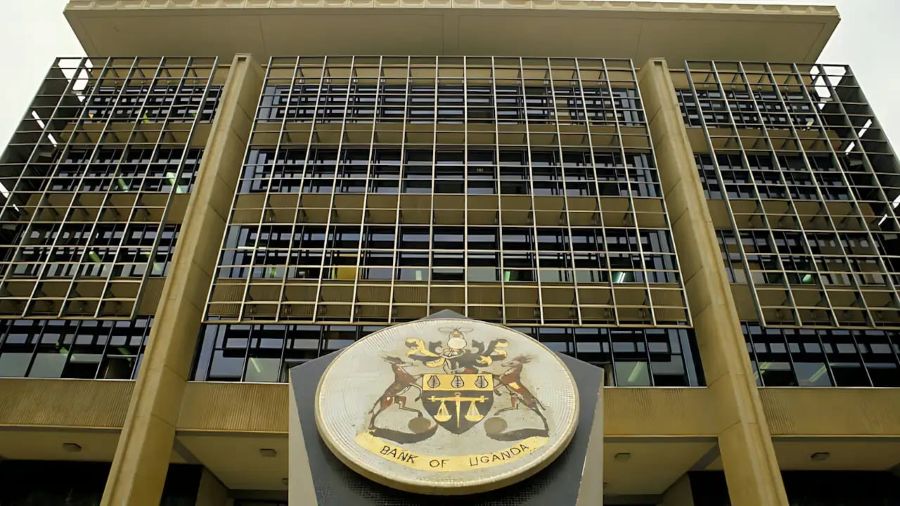
This morning the news hit Kampala like a cold shower. Thugs walked into Bank of Uganda — yes, that Bank of Uganda, the one that guards our money and our economy — and walked out with seven laptops. And they weren’t even in a hurry. They spent almost three hours inside.
If the central bank, with all its guns, guards, and CCTV, can be broken into like a small shop in Kikuubo, then we need to sit down and ask ourselves: Who is really safe in this country anymore?
This is not just about seven laptops. This is about trust. This is about security. This is about how rotten things have become when even the most guarded place in Uganda can be entered with a duplicated key and a little inside help.
What Actually Happened, In Simple Language
Monday morning, security at BoU discovered that someone had been inside overnight. The thieves came through the gate opposite City Square. They didn’t break windows or force doors. They had keys. Duplicated keys. That means someone from inside gave them access.
Once inside, they cut off the internet. That killed the CCTV and the alarm system. Smart move. Then they went to the commercial offices, took seven laptops, and also made off with the CCTV server and internet router worth about Shs 50 million.
They tried to open the cash safe but failed. So they smashed CCTV cameras and office doors while looking for the strong room keys. Police footage shows five men moving around freely, like they owned the place.
Afterward, sniffer dogs picked up a scent trail leading all the way to Mutaasa Kafeero Plaza downtown. Police have already arrested more than 50 people and cordoned off buildings there like Kalungi and Mutaasa Kafeero Plaza. But up to now, nobody is saying clearly whether those arrests are connected to the BoU break-in.
Bank of Uganda has confirmed the incident but says core services are not affected. They’ve also told police to keep quiet and handle communication internally.
Translation for ordinary Ugandan: “Don’t ask too many questions. We’re handling it.”
What Ordinary Uganda Is Saying On The Street
The taxi driver in Wandegeya is laughing but it’s not a happy laugh. “If thieves can enter Bank of Uganda with keys, then my house in Nansana with a padlock is already finished.” That’s the joke going around town today.
The mama selling tomatoes in Kisenyi is worried. “If even BoU money is not safe, what about the money in my mobile money? What if they hack my phone next?” That’s real fear. Because for ordinary Ugandans, BoU is supposed to be untouchable. It’s the bank of banks. If it falls, everything falls.
And the bodaboda rider in Kitgum is angry. “We get beaten for stealing a phone worth UGX 50k. These people steal laptops worth millions and police are saying ‘we’re investigating’.” That’s the frustration. The double standard.
People are also asking: “Why three hours? Where were the guards? Were they sleeping? Or were they part of it?” Because you don’t spend three hours inside BoU unless someone opened the door for you.
What Elite Uganda In Boardrooms Is Really Worried About
The banker in Muyenga is not worried about the laptops. The laptops probably had no sensitive data. What he’s worried about is the message this sends to foreign investors.
“If your central bank can be breached so easily, how safe is my money in your commercial banks?” That’s the question investors will ask tomorrow. And if confidence drops, the shilling can drop too.
The cybersecurity expert is shaking his head. “Cutting internet to disable CCTV is not a Hollywood trick. It’s basic. And it worked.” That means BoU’s physical and digital security systems are not integrated properly. That’s a big problem in 2026.
The government official is worried about politics. BoU already has a damaged image after the iron sheets scandal and sanctions talk. Now this. It looks like negligence, or worse, collusion. And in an election year, the opposition will use this to say “even our money is not safe under this government.”
The diplomat is worried about reputation. Uganda markets itself as a stable country for business in East Africa. A central bank robbery story, even if it’s just laptops, makes headlines in London and Washington. That affects aid, trade, and investment.
The Bigger Question: Was This Really About Laptops?
Let’s be honest. Seven laptops? That’s small money for BoU. The real value was the CCTV server and the router. That’s where the evidence was. That’s where the records were.
So the question is: Did they steal laptops to steal data? Or did they steal data to cover up something bigger?
If the laptops had sensitive financial information, then this is not theft. This is espionage. This is economic sabotage.
And if they failed to open the cash safe, that’s either good security or they didn’t have the right key. But the fact that they even tried tells you their mission was bigger than just office computers.
What This Exposes About Our Security System
One: Inside job is real. You don’t enter BoU without help from inside. That means staff vetting is weak. That means some employees can be bought. And that’s dangerous.
Two: Security is outdated. In 2026, you can’t rely on just guards and padlocks. You need biometric access, real-time CCTV monitoring, and backup servers offsite. Cutting one internet line shouldn’t shut down the whole system.
Three: Communication is a mess. BoU telling police not to speak publicly is not transparency. Ugandans deserve to know what happened. Silence creates rumors, and rumors create panic.
Four: Crime is becoming sophisticated. This wasn’t a random thief with a panga. This was planned. Organized. Professional. And if criminals can plan BoU, they can plan anything.
What Should Happen Now For Uganda’s Sake
First: Full independent investigation. Not just police. Bring in independent cybersecurity experts. Let the public know what was stolen and what risk it poses.
Second: Arrest and prosecute the insiders. If staff members colluded, they must face the law. No protecting big people. If a small man stole UGX 100k he goes to jail. The same should apply to a BoU staff who betrayed the country.
Third: Upgrade security immediately. BoU should set the standard for all banks in Uganda. If BoU is weak, then all banks are weak.
Fourth: Be transparent with the public. Tell us what data was on those laptops. Tell us if customers’ information is at risk. Don’t hide it and hope it disappears.
Fifth: Restore confidence. BoU management needs to come out and speak clearly, not through a one-page notice. People need to hear: “Your money is safe.” And they need to believe it.
The Last Word: This Is A National Shame, Not Just A BoU Problem
This break-in is a mirror. It shows us how weak our institutions have become. How corruption has eaten from top to bottom. How security has become a job for lazy guards and sleeping watchmen.
If we don’t fix this now, tomorrow it won’t be laptops. It will be cash. It will be national reserves. It will be our future.
And the ordinary Ugandan who wakes up at 5am to hustle for UGX 10k will be the one who suffers most when the economy shakes.
So yes, we’re talking about seven laptops today. But tomorrow, we might be talking about the collapse of trust. And trust, once broken, is harder to rebuild than any building in Kampala.