
For years, the story of the River Nile has been told by outsiders. Foreign cameras came, shot the rapids in Jinja, showed hippos and crocodiles, and left. The voice was never ours. The meaning was never ours. That changes this year.
On April 25, 2026, Kampala hosts the national premiere of _Back to the Source The Nile_. It is a film made by Ugandans, about Uganda, for Uganda first. And that simple fact makes it one of the most important cultural events of the year.
This is not just a nature documentary
Yes, the film shows the river. It follows the water from Lake Victoria through the rapids, past Murchison Falls, and toward the north. But that is only the surface. The real journey is deeper.
The story follows a Ugandan woman who returns home to face the river that shaped her life. For her, the Nile is not a tourist attraction. It is memory. It is fear. It is family history. The film traces how she turns that fear into strength. She walks into ancient forests where her grandparents told stories. She climbs misty mountains where fog hides old paths. She stands with fishing communities whose lives rise and fall with the water level.
By doing this, the film does something no foreign crew could do. It connects the landscape to the people. It says the Nile is not just water. It is identity. It is heritage. It is the reason villages exist where they exist.
Why the timing matters for Uganda
The premiere comes at a moment when Uganda is asking hard questions about who tells our story. Our music is now global. Our coffee is on world menus. Our athletes run under our flag. But our history on film? Too often, someone else holds the camera.
_Back to the Source_ puts the camera in Ugandan hands. The director, Derrick Ssenyonyi, is Ugandan. The lead actor, Juju Nsababera, is Ugandan. The crew walked the same riverbanks our ancestors walked. That means the small details are right — the way a fisherman ties his net, the sound of morning in a village, the look a mother gives when her daughter returns after many years.
The project also breaks new ground. While many films have shown parts of the Nile, this is the first to try and tell the whole human story — from source to the Nile flow northwards — with Uganda at the center, not as a backdrop. That ambition alone makes it worth watching.
What to expect at the premiere
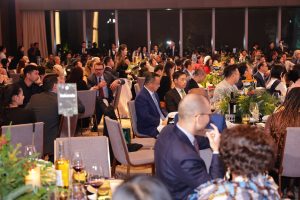
The national launch happens at Mestil Hotel in Kampala on April 25, 2026. It is not a small screening. It is being treated as a homecoming. The film already held an international premiere in China in December, and a Ugandan premiere was held in February. This April event is the big public celebration — the moment the story officially comes home to the city that sits near the river’s source.
For Ugandans who cannot travel to Jinja every weekend, this film brings the river to them. You will see the wildlife, yes. But more than that, you will see yourself. You will see the old man who still remembers the first bridge. You will see the young girl who wants to be a guide. You will see the tension between development and tradition that plays out on the banks every day.
Beyond tourism, toward ownership
Tourism boards have used the Nile for decades. They sell rafting and bungee jumping. Those things matter for jobs and money. But they are not the whole story. A river that has fed nations for thousands of years deserves more than an adventure brochure.
This film starts that deeper conversation. It asks: What does it mean to come from the source? What responsibility do we have to the water, to the forests around it, and to the stories it carries? When a Ugandan woman faces the river and calls it home, she is doing something political. She is saying, “This narrative belongs to us.”
That is why _Back to the Source The Nile_ is not just entertainment. It is a marker. Ten years from now, we will point to April 2026 as the month Ugandan film stopped asking for permission to tell its own foundational myth.
The wait is almost over. The river has been speaking for centuries. On April 25 2026, we finally answer back — in our own voice, on our own screen, in our own capital.