It happened again. Another abduction.
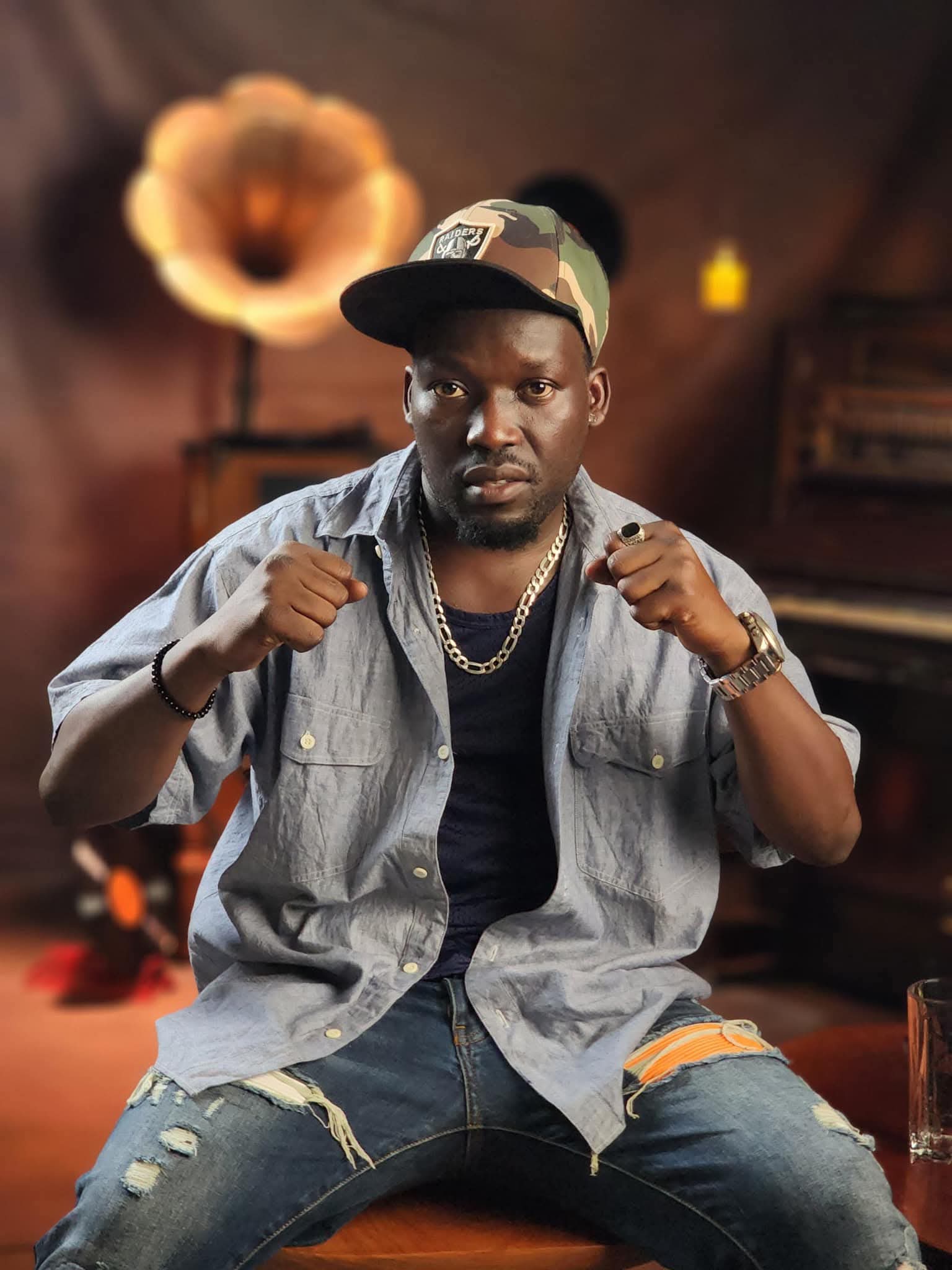
National Unity Platform Secretary General David Lewis Rubongoya confirmed Tuesday late evening that party mobilizer King Zale was violently taken by armed men. Onlookers told the party that a vehicle commonly called a “drone” surrounded Zale’s car. Men came out with guns. They ordered him out at gunpoint. They drove off with him to an unknown place.
“We’ve just been informed of the violent abduction of our brother, King Zale, from Kamwokya,” Rubongoya said. “The lawlessness continues.”
Witnesses described the scene as fast and brutal. No warrant. No explanation. Just guns, a car, and a man gone.
By Wednesday morning, Zale’s whereabouts were still unknown. His phone was off. His family had not been contacted.
NUP: This Fits a Pattern
The party is not calling this an isolated case. Rubongoya tied it to what NUP says is a pattern of abductions targeting its members since the 2020 campaigns. The party puts the number of missing or formerly abducted supporters at over 2,500 in the last six years.
Some returned after days or weeks. Many reported torture. Some were charged in military courts. Others have never been seen again.
The method is now familiar to Ugandans. Unmarked vehicles, often Toyota Hiaces called “drones.” Men in plain clothes, sometimes in uniform. No arrest form. No statement to media. Days of silence before a relative finds the person in a police cell or army barracks.
Human rights organizations have documented this for years. They call it “enforced disappearance.” The law calls it abduction. The government often calls it “helping police with investigations.”
A Short, Ugly History
Abductions did not start in 2020. But the scale changed after the 2021 election cycle.
Before 2020, political arrests were public. Police would read a charge. Media would cover the court appearance. After November 2020, when protests broke out following the arrest of then presidential candidate Robert Kyagulanyi, the style changed.
Supporters started vanishing from streets, stages, and homes. Some were found in Kitalya, Kigo, or Makindye military barracks weeks later. Others appeared in court limping, with signs of beatings. Human rights groups wrote reports. Parliament debated. The numbers kept growing.
The state security agencies rarely confirm these operations before they happen. Sometimes they deny involvement. Sometimes they release the person after weeks and say they were “being trained” or “were safe.”
For families, the hours between abduction and confirmation are the worst. No one knows if the person is alive. No one knows where to take food. No one knows which lawyer to call.
Where Is Bobi Wine?
As Zale was taken in Kamwokya, NUP president Robert Kyagulanyi, known as Bobi Wine, was outside Uganda. He is currently on a diplomatic tour in Europe and North America.
The trip is part of the party’s “Free Uganda Now” campaign. He is meeting diaspora groups, legislators, and human rights bodies. His message is simple: democracy is under attack, supporters are disappearing, and the world should not look away.
He has done this before. Since 2021, Bobi Wine has split his time between mobilizing at home and lobbying abroad. When he is away, arrests of NUP members often spike. The party says it is not a coincidence. The state says he is running away from justice.
His absence means Rubongoya, the Secretary General, becomes the voice at home. On Tuesday, that voice was angry.
Why Kamwokya Matters
Kamwokya is not just a place. It is NUP’s birthplace. It is where Bobi Wine’s Firebase Crew started. It is where the red beret became political. Taking someone from Kamwokya in that style sends a message.
It says nowhere is safe. Not even the headquarters of the opposition.
It also says the tactics of 2021 are still active in 2026. New Parliament. New bills. Same drones.
What Happens Next
NUP will file a habeas corpus application. Lawyers will check police stations, CMI, and JATT. Social media will trend #FreeUgandaNow. Human rights bodies will issue statements.
If the pattern holds, one of three things will happen to Zale:
He appears in court charged with terrorism or inciting violence.
He is dumped on a roadside at night, injured, after two weeks.
He joins the list of those still missing.
Uganda’s Constitution bans torture and arbitrary detention. Article 23 says you must be told why you are arrested and see a lawyer within 48 hours. That law exists. But for 2,500 families, it has not existed enough.
King Zale is one man. But in Kamwokya, every man who watched it happen now knows it could be him tomorrow.
That is the point of an abduction. Not just to take one. But to scare thousands.