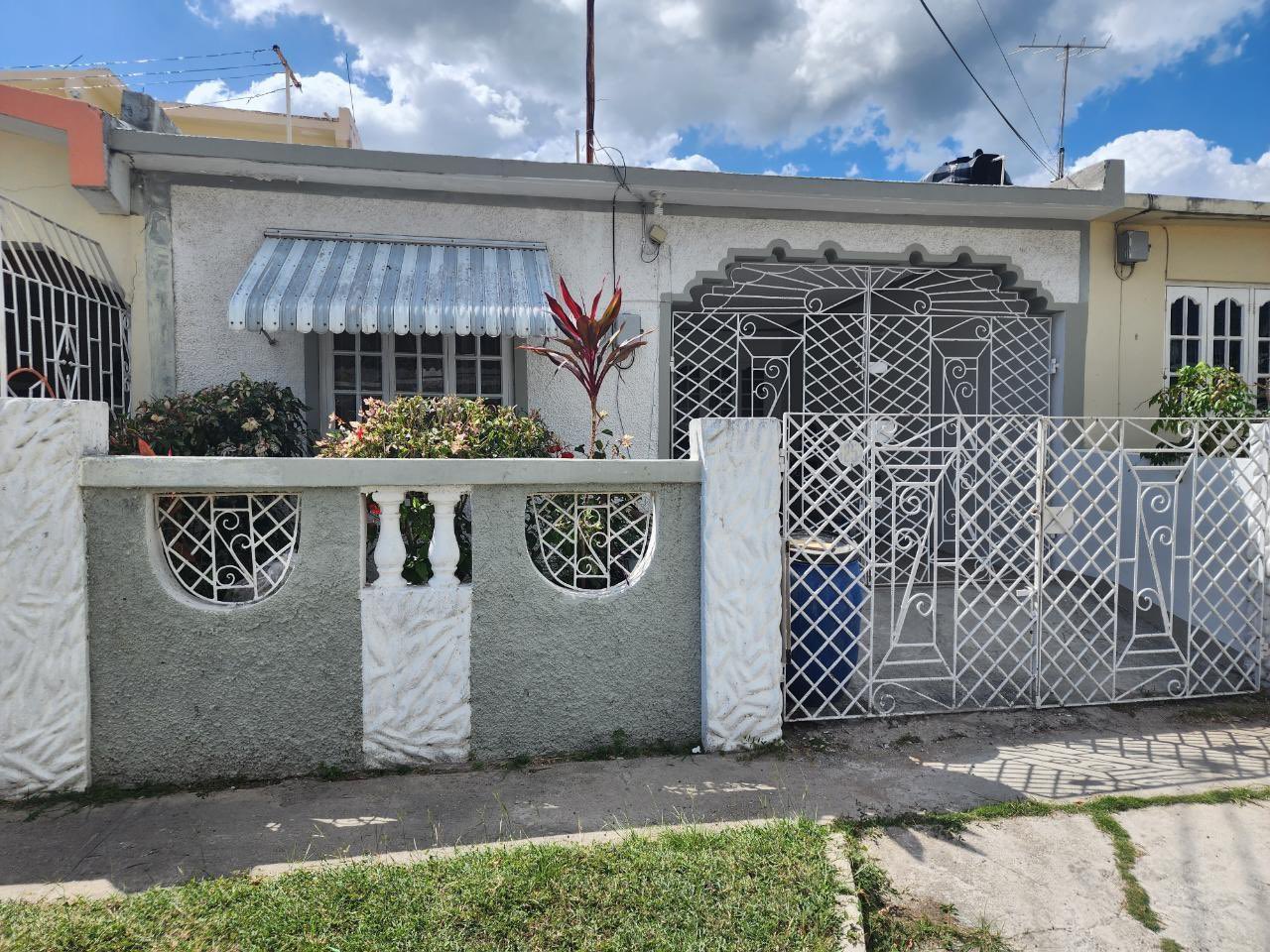
Abias Asiimwe Baryayanga left to check on his rentals. He never came back.
As Kampala Sqoop first reported yesterday, police said the deceased, a resident of Kyandango in Kashenyi Ward, Ishaka Division, Bushenyi-Ishaka Municipality, was discovered on Sunday afternoon in one of his rental buildings at Kashenyi Trading Centre.
According to police reports, the attackers allegedly hacked him, burned his body, and concealed the remains in the ceiling of one of the rooms in the building.
The case shocked Uganda because it flipped the script: we always talk about landlords evicting tenants. This time, a landlord died doing his job.
It left every property owner from Bushenyi to Bweyogerere with the same cold question: Could it be me next?
Most tenants are good people. They pay, they greet, they leave when told. But Asiimwe’s death proved what many landlords fear but never say: you don’t truly know who is behind your gate.
This is not about creating panic. It is about opening your eyes. After speaking to three long-time landlords in Kisaasi, Bweyogerere, and Nansana, and one CID officer who handles rental disputes, these are the five patterns that keep showing up before violence.
1. They pay too much, too fast, with no questions
A normal tenant asks about water, Yaka, security, garbage. They negotiate 20k off the rent. They want receipts.
A dangerous tenant pays six months upfront, in cash, on day one. No viewing twice. No asking about the LC1. They just want the keys.
Why? Police say criminals use rentals to hide, store stolen goods, or hold victims. An empty house with a paid-up receipt is perfect. If someone pays your annual rent without blinking and refuses to meet your family, slow down.
2. They refuse the LC1 introduction
This is law in most divisions, and it is common sense. The LC1 chairperson must know who lives in the zone. It helps with security, rubbish collection, and emergencies.
When a tenant says “I’m a private person” or “I’ll do it later” and three months pass, you have a problem. People who hide from the local council are often hiding from someone else too.
As a landlord, make LC1 introduction a condition of the agreement. Write it down. If they refuse, refund the money. A vacant house is safer than a dangerous tenant.
3. They fight neighbors over small compound rules
Drying clothes. Parking. Noise after 10PM. Every compound has these fights. Normal tenants argue and settle.
The warning sign is a tenant who threatens violence over small things. “If you touch my line again I’ll kill you.” “Tell your child to stop playing near my door or else.”
CID says that domestic murders rarely start with murder. They start with threats that everyone ignores because “he’s just talking.” If your other tenants come to you scared of one person, believe them. You are liable for what happens on your property.
4. They know your movements better than you do
Asiimwe was killed when he went to check his rentals. That means the killers knew when he would be alone, and where.
Ask yourself: Does your tenant know what car you drive? When your children leave for school? When your house is empty? Have they ever asked, “So you stay in Mukono?” or “You usually come at month-end, eh?”
A good tenant does not study you. A criminal does. Change your collection routine. Send mobile money. Use a caretaker. Never enter a tenant’s house alone to discuss arrears. If you find them doing something illegal, they will definitely kill you in order to seal their criminal behaviors.
5. The house goes quiet, but the Yaka stays high
In past landlord-tenant murder cases, neighbors noticed the same clue: no one saw the tenant, but lights were on all night. The water tank was always filling.
If your tenant disappears but power and water bills are climbing, something is wrong. It could be a sub-let. It could be business you didn’t allow. It could be worse. Do inspections every two months. It is your house. Give 24-hour notice and go with your caretaker or LC1.
What to do if you see these signs
1. Don’t confront them alone. Go to the police post first, then LC1. Let them escort you.
2. Document everything. Keep SMS, receipts, agreements. If it goes to court, you need paper.
3. Trust your gut. If your body tells you not to enter that gate at 7PM, listen. Asiimwe’s family wishes he had.
4. Use written agreements. Verbal agreements kill. Clause 7 should say “Landlord may inspect with 24-hour notice”.
Abias Asiimwe was not a careless man. He was a landlord doing his job in Ishaka. The country cannot bring him back. But other landlords from Kabale to Kampala can learn.
Your life is worth more than 300k rent. Check your tenants. Check your routine. And never believe “it can’t happen on my compound.”
Related: Kampala Sqoop broke the Asiimwe murder story Sunday evening. Read the full initial report here.