Today Jinja is not about money.
Dfcu Bank is 62 years old. Most banks would hire a DJ, book Serena, cut cake, and call it “impact”. Not this time.
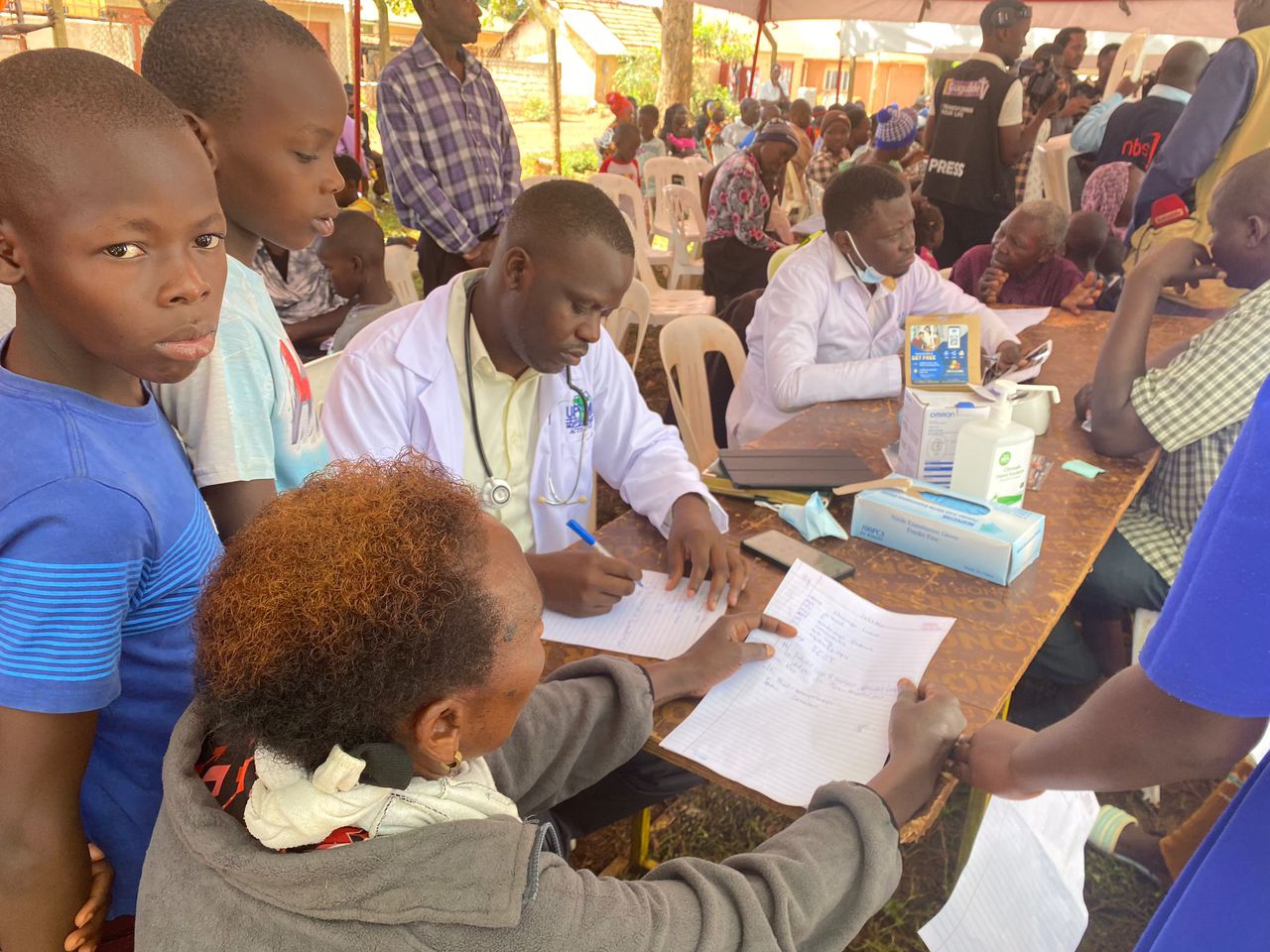
Today they are in Walukuba, sticking needles in arms, checking eyes, testing for sickle cell. Free. No account needed. No minimum balance.
That is #dfcuHumanityDay. And, it hits different when you know Busoga’s reality.
Why Jinja, Why Now
Eastern Uganda is not new to sickness. But sickle cell here is a killer.
Kids born in Busoga have higher chances of living with it than kids in Kampala. Pain crises. Blood transfusions. School missed. Parents broke.
So when dfcu and Rotary set up shop in Walukuba today, they are not ticking a CSR box. They are going where the wound is open.
Sickle cell testing. Cancer screening. Antenatal care for pregnant mothers. Eye checks. Dental. All free.
One man, Aguma Jackson, 53, said it plain: “It’s very expensive to go out there for eye check up and general treatment. I spend a lot of money accessing treatment. I thank dfcu for this free medical camp.”
That is the point. When treatment costs more than your weekly food budget, “free” is not PR. Free is life.
Not Just Medicine, But Skill Too
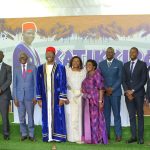
The day did not start in Walukuba. It started at Busoga Kingdom Skilling Centre.
Young girls learning skills to build brighter futures. Tailoring. Catering. Small business.
Kate Kiiza, ED of dfcu Bank, said it straight during the visit: “We can do everything we want, but if we are not impacting the lives of the everyday person, we are lost. It is not sustainable.”
That line matters.
Banks love to talk about “financial inclusion”. But inclusion means nothing if a girl in Jinja cannot see doctor, cannot read, cannot stitch a dress to feed herself.
So dfcu is doing both: skills today, health today. Long term and short term. That is rare.
62 Years: From Finance House To Community House
Dfcu was born on May 14, 1964. That is 62 years of loans, mortgages, agribusiness finance.
But turning 62 does not mean much if all you do is count profit.
Today’s camp is their answer to that question: What is money for?
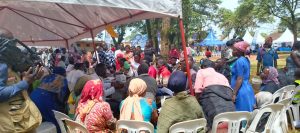
Hundreds turned up. Old men with back pain. Mothers with pregnant bellies. Kids with pale eyes getting sickle cell tests. People who would never walk into a bank branch walked into this tent without fear.
That is what “putting people first” looks like. Not posters. Not billboards. Actual doctors, actual tests, actual answers.
Rotary Partnership Makes It Real
Dfcu did not do this alone. Rotary Uganda is in it with them.
Rotary brings doctors, volunteers, structure. dfcu brings money, logistics, reach.
That partnership matters because one company alone cannot handle Busoga’s health burden. Government is stretched. Hospitals are full. Mulago and Mengo cannot be everywhere.
So when private sector and civic groups meet in the middle, ordinary people win.
This is not the first time. They did a #HopeInMotion Walk in Kampala too, raising awareness on sickle cell, pushing screening, pushing blood donation. But Jinja today is closer to home.
Why This Hits Ordinary and Elite Same Way
For the boda guy in Walukuba, this camp means he can check his eyes without selling his phone.
For the business owner in Jinja town, it means his workers can get screened without losing a day’s pay at Mulago.
For dfcu, it means their 62nd birthday is not forgotten next week. People will remember who tested them for free.
Elite like CSR that looks good on LinkedIn. Ordinary people like CSR that cures malaria and fixes teeth.
Today both sides get something.
The Bigger Question: Can This Be Normal?
Let us be honest.
One health camp in Jinja will not fix Busoga’s health system. One day will not cure sickle cell.
But it does two things:
One, it puts pressure. When dfcu can bring doctors to Walukuba for free, people start asking, “Why can’t district hospital do this every month?”
Two, it builds trust. People who fear hospitals because of money or attitude will come. They will test. They will know their status. Early detection saves lives.
If every bank, every telecom, every company in Uganda took one district per year like this, we would not be talking about health crisis like we do now.
62 Years, But What About Next 62?
Dfcu is old. Older than most Ugandans reading this.
But old banks can get lazy. They can sit on money and forget people.
Today they chose different. They chose to be remembered for needles, not just loans.
That is the challenge for them now. Make this not a one-day thing. Make it a habit.
Busoga needs it. Uganda needs it.
And if they keep this up, in 10 years people will not say “dfcu gave me a loan”. They will say “dfcu saved my eye”.
That is legacy.
Last Word
We are tired of companies that only show up when there is a photo opportunity.
Today in Jinja, dfcu and Rotary showed up with doctors, not cameras first.
That is what 62 years should look like. Not champagne. Not speeches. Service.
Hundreds walked in sick with doubt. Many will walk out with answers. Some will walk out with hope.
And for a country where hope is expensive, that is worth celebrating more than 62 years of profit.