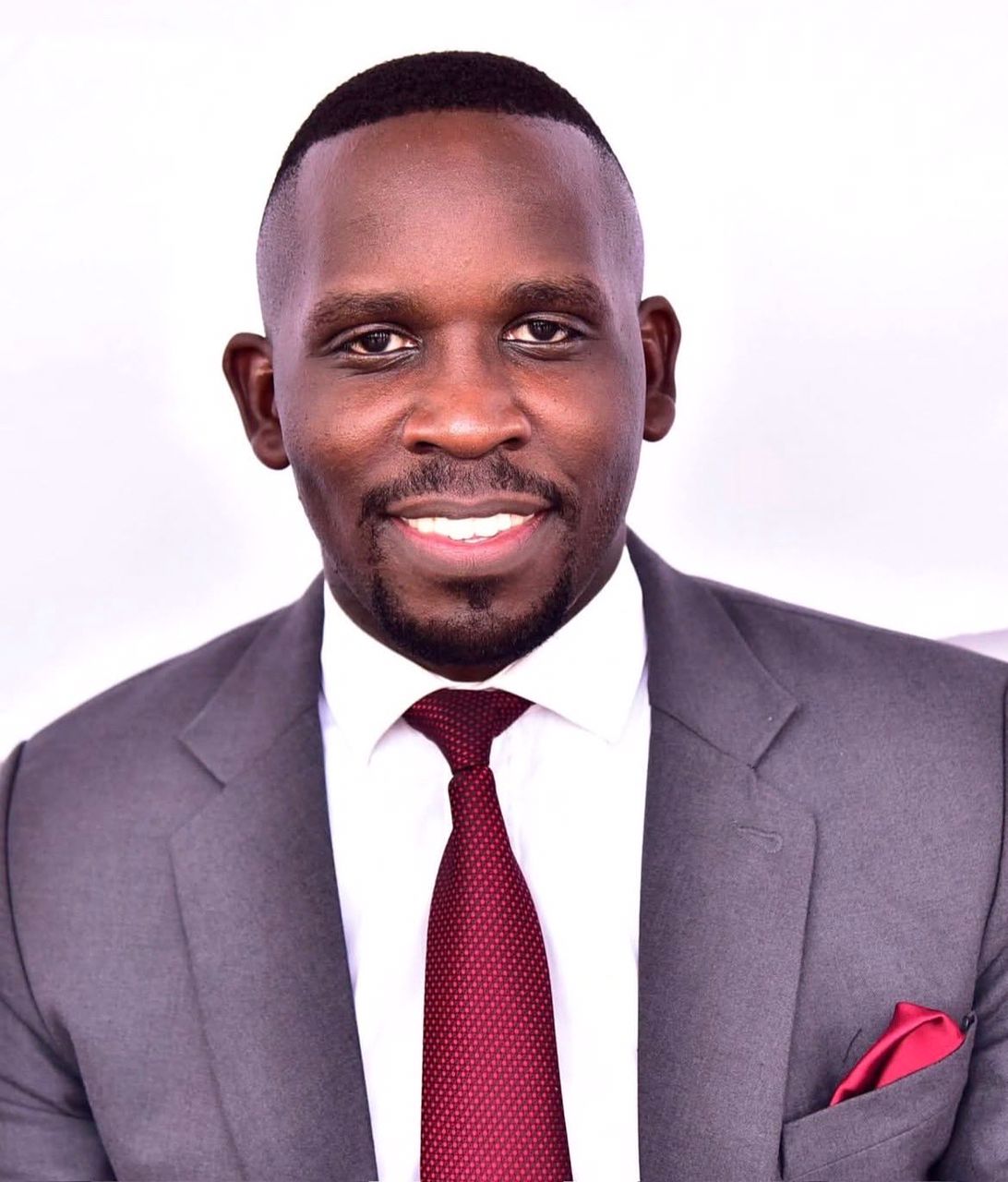
NUP has made its call on who will lead the opposition charge in the 12th Parliament, and it’s a bet on continuity over reinvention.
Joel Ssenyonyi keeps the office of Leader of Opposition. John Baptist Nambeshe moves into the Parliamentary Commission. Paul Mwiru takes over as opposition Chief Whip. George Musisi will head COSASE. The message is clear: NUP wants people who already know the terrain, the rules, and the pressure points inside Parliament.
For an ordinary Ugandan watching from home, this looks like a simple reshuffle. For the elite watching the balance of power, it’s a signal on how NUP plans to do oversight for the next 5 years.
Why Ssenyonyi Stays
Ssenyonyi stepped into the Leader of Opposition role in January 2024 after Mathias Mpuuga’s exit. He came in with a media background and left the COSASE chair to take on the broader job of coordinating opposition business in the House.
The reason he’s retained is practical. He’s already run the office through budget debates, committee clashes, and public probes into government spending. He knows the procedures, the standing orders, and which buttons trigger a reaction from the ruling side. Replacing him now would mean starting that learning curve again, at a time when NUP holds the largest share of opposition seats after the 2026 elections.
For supporters, retention means steady pressure on accountability. For the NRM majority, it means dealing with a LOP who already understands how to frame questions for maximum political and public impact.
The Strategic Placements
John Baptist Nambeshe as Parliamentary Commissioner
The Commission runs Parliament’s administration, budget, and staff. It’s not a public-facing role, but it’s where the rules of engagement are set. Putting Nambeshe there gives the opposition a direct hand in how resources and speaking time are allocated. He’s been a vocal MP from Manjiya County, and this move puts him inside the room where decisions on parliamentary operations are made. If NUP wants to reduce the friction that often derails opposition motions, this is the place to do it.
Paul Mwiru as Opposition Chief Whip
The Chief Whip’s job is discipline and coordination. Getting MPs to show up, vote as a bloc, and speak with a coordinated message is what turns 50 seats into leverage. Mwiru’s appointment signals that NUP is prioritizing internal cohesion. After a first term where opposition MPs sometimes voted differently on key issues, the party is signaling it wants fewer surprises and tighter messaging.
George Musisi to Head COSASE
COSASE is the committee that chases government money. It’s where accounting officers get grilled on waste, mischarges, and stalled projects. Putting Musisi in charge keeps the focus on public finance oversight. For the ordinary citizen, COSASE is one of the few places where you see ministers and permanent secretaries forced to answer for how your taxes were spent.
What This Signals About NUP’s Strategy
This is not a populist reshuffle. There are no surprise celebrity appointments. It’s a technocratic lineup.
The pattern is oversight, procedure, and internal discipline. Ssenyonyi handles the public-facing opposition role. Nambeshe works the administrative levers. Mwiru keeps the bloc in line. Musisi chases the money.
That tells you NUP is planning to fight this term inside the rules of Parliament more than outside them. Expect more committee work, more forensic questioning, and more attempts to use Parliament’s own mechanisms to delay or amend government business.
It also tells you NUP is wary of internal fragmentation. The Chief Whip role matters only if the party expects it will need to hold members together on contentious votes.
The Risks and Limits
Continuity has a downside. The public already knows these faces, and the ruling side knows how they operate. There’s a risk of predictability. If every probe follows the same pattern, it becomes easier to manage politically.
There’s also the question of reach. Parliamentary oversight matters, but it doesn’t fix a broken road in Gulu or a drug stockout in Mbale by itself. The challenge for this team will be translating committee findings into pressure that forces action at district and ministry level.
And then there’s the Commission role. It’s powerful, but it’s also a place where opposition commissioners have historically been accused of “going quiet” once inside. Nambeshe’s credibility will be tested on whether he uses the role to push for transparency in Parliament’s own budget.
For the Ordinary Ugandan
You won’t see Ssenyonyi building a road. But you might see his team force a ministry to explain why drugs didn’t arrive, or why a PDM SACCO in your parish didn’t get funded.
The value here is in making the executive uncomfortable enough to act. Whether that happens depends on how aggressively COSASE and the LOP’s office use the information they get.
For the Elite and Political Class
These appointments consolidate NUP’s control over opposition strategy. If you’re in government, you know who you’ll be negotiating with on parliamentary business. If you’re a donor or investor watching governance risk, you know which MPs will be driving the accountability narrative for the next 5 years.
It also sets the tone for how NUP handles its own internal politics. By placing Mwiru as Chief Whip, the party is signaling that discipline matters more than individual stardom.
Bottom Line
NUP has chosen experience and control over spectacle. Ssenyonyi, Nambeshe, Mwiru, and Musisi are all known quantities inside Parliament. The next term will be about whether that familiarity translates into sharper oversight and fewer unanswered questions on public money.
The 12th Parliament won’t be quiet. The question is whether it will be effective.