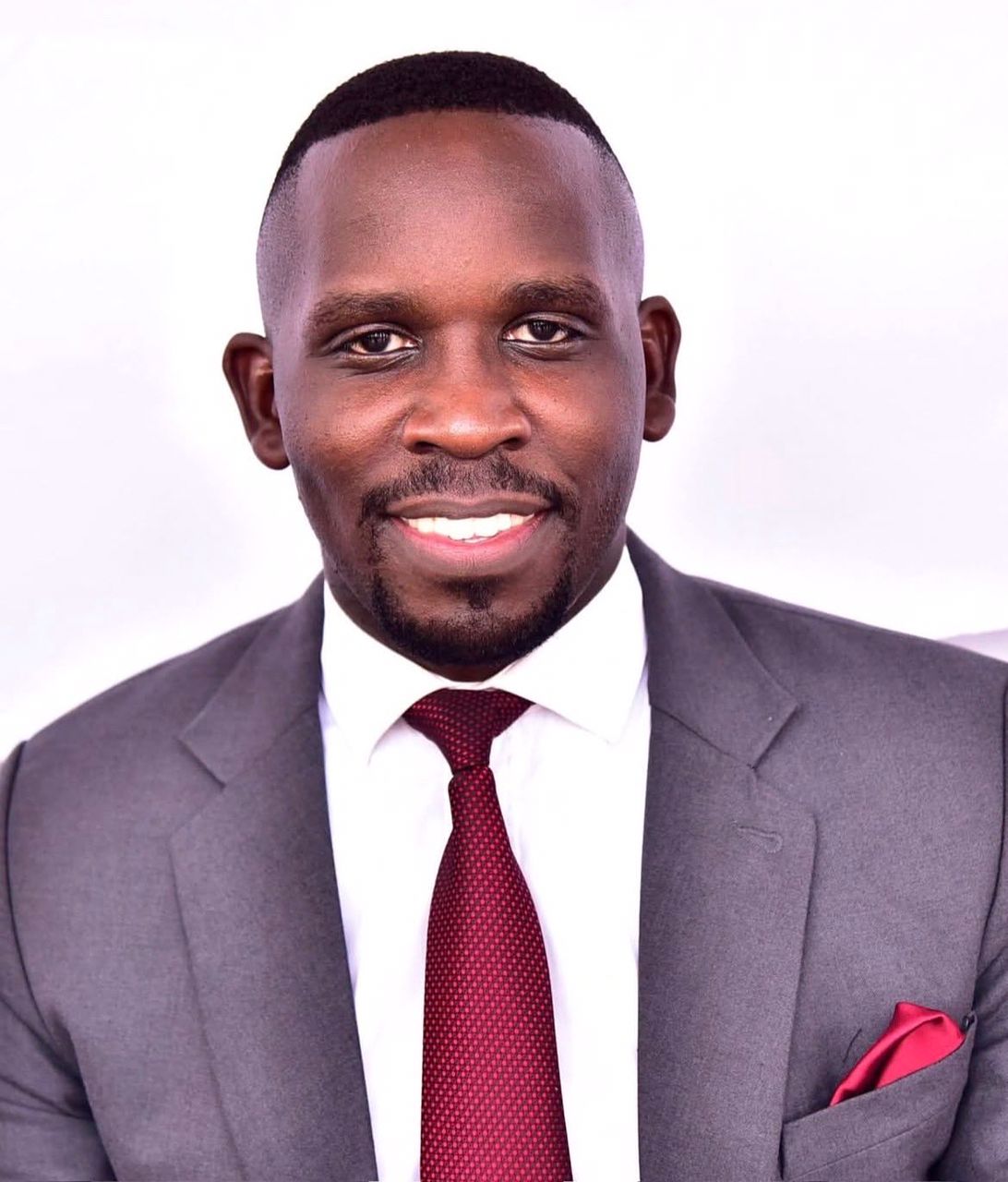
When Joel Ssenyonyi took the floor yesterday, he wasn’t just speaking to the chamber. He was speaking to a country that has grown tired of performative politics. His remarks cut through the usual back-and-forth and landed on a simple truth: accountability cannot be optional.
Ssenyonyi has never been a quiet opposition figure. As Leader of the Opposition and a former journalist, his style is direct, evidence-based, and confrontational when it needs to be. Yesterday’s statement followed that pattern. He challenged the government not on ideology, but on process — how decisions are made, how money is spent, and how citizens are kept in the dark.
Opposition as Watchdog, Not Noise
What stood out was the framing. He didn’t reduce his role to shouting from the sidelines. He positioned opposition as a constitutional duty. In a system where the ruling party dominates numbers, the only real check left is scrutiny. That’s what Ssenyonyi leaned into. “Keeping government in check” wasn’t a slogan — it was the job description.
For ordinary Ugandans, this matters. Roads, medicine, school funding — these aren’t abstract issues. They’re daily realities. When oversight fails, service delivery collapses. Ssenyonyi’s remarks reminded Parliament and the public that the fight isn’t about parties, it’s about results.
The Transparency Test.
The most pointed part of his message was on transparency. Without it, corruption thrives in silence. With it, citizens can ask questions and demand answers. In a country where public funds often disappear into vague budget lines, that demand is urgent.
BOLD PARAGRAPH
1: THIS IS ABOUT YOUR MONEY, NOT POLITICS
Let’s be blunt. Every shilling lost to unclear contracts or ghost projects is a shilling stolen from a clinic in Gulu, a classroom in Busia, or a road in Kasese. Ssenyonyi’s push for transparency isn’t opposition noise. It’s a demand for receipts. If budgets can’t be explained in plain language, then citizens are being managed, not served. That’s why his May 28 challenge hit harder than usual — he made oversight personal again.
He essentially asked: If government has nothing to hide, why is information so hard to access? It’s a question that resonates beyond Parliament. Journalists, CSOs, and citizens face the same wall. Ssenyonyi turned that frustration into a parliamentary challenge.
TONE MATTERS IN A DEVIDED PARLIAMENT
What makes Ssenyonyi different is tone. He avoids personal attacks and focuses on systems. That’s strategic. In a House used to insults and theatrics, a fact-based challenge forces the government to respond with facts, not noise. It raises the level of debate.
2: FAIR TREATMENT ISN’T A FAVOR, IT’S THE RULE
Ssenyonyi’s call for equal treatment of all members wasn’t polite. It was necessary. Parliament loses credibility when rules bend for some and break for others. Whether you sit on the front bench or the back, the Constitution doesn’t change. His message to the Speaker was clear: enforce the rules, or admit they don’t exist. That’s not rebellion. That’s protecting the institution from itself.
Yesterday’s remarks were a test of that approach. He didn’t ask for sympathy for the opposition. He asked for accountability from the government. That distinction is critical for a democracy that’s trying to mature.
The Bigger Picture.
Uganda’s political space is polarized, but accountability isn’t a partisan issue. It’s a governance issue. Ssenyonyi’s statement was a reminder that opposition isn’t about blocking everything — it’s about ensuring nothing important slips through unnoticed.
Whether you agree with his party or not, the role he played yesterday is what Parliament is supposed to do: ask hard questions, demand clear answers, and keep power under watch.
In the end, his message was simple and uncomfortable: if government is truly working for the people, it should have no problem proving it.
That’s not opposition for opposition’s sake. That’s democracy in practice.