Calendars are marked. Kololo Ceremonial Grounds is being swept.
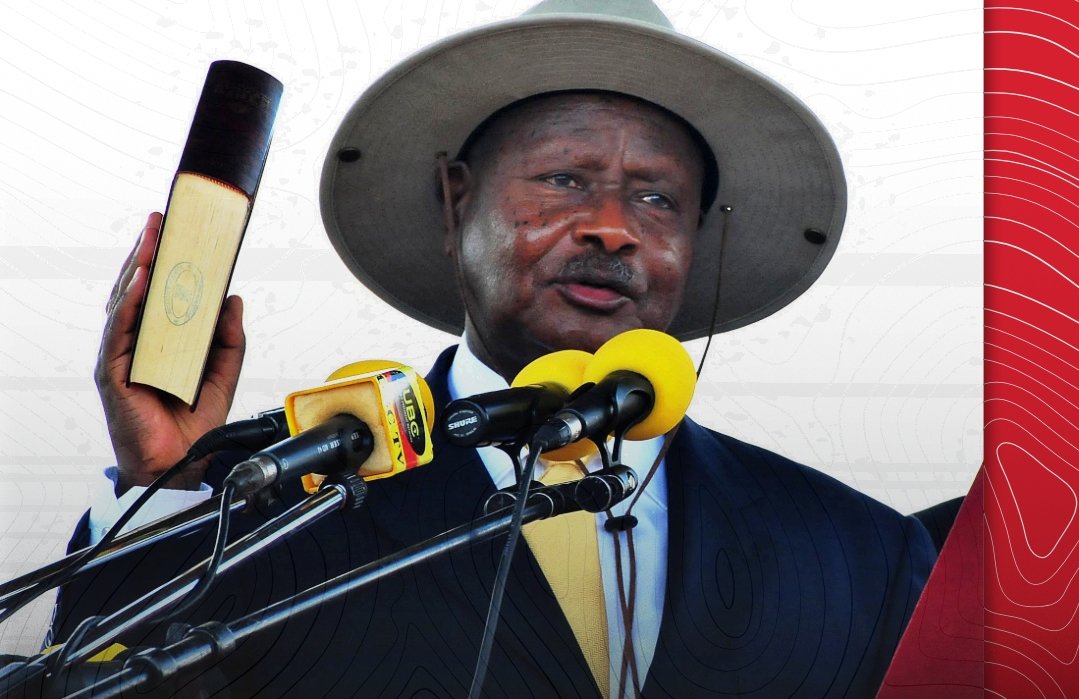
On Tuesday, 12th May 2026, President-elect His Excellency Yoweri Kaguta Museveni will take the oath again. His seventh term. 2026 to 2031. NRM Secretary General Richard Todwong has already announced it — the day is a public holiday.
Uganda knows this road. We’ve walked it before. But every swearing-in is not the same. This one lands when fuel prices bite, when youth unemployment shouts, when the world economy coughs. So what does 12th May really mean?
What Ordinary Uganda Is Saying On The Streets
The boda rider in Wandegeya is calculating. Holiday means no customers. But if Mzee talks about fuel tax, maybe I’ll save 2,000. Let’s wait and hear.”
The market woman in Nakasero is tired but hopeful. “Every term they say ‘bonna bagaggawale’. This time I want to see it. My tomatoes are rotting because transport is expensive. Will seventh term change that?”
The graduate in Lira is checking his phone. “Swearing-in is good. But will Kololo speech give me a job? I have degree, no work. If nothing changes, then it’s just another holiday.”
The old man in Isingiro is nodding slowly. “We have peace. That one I give Mzee. In 1986 we were running. Today my grandchildren go to school. But peace without money is half peace. Let seventh term bring money also.”
That’s the street. Gratitude for stability, hunger for prosperity.
What Elite Uganda Is Analyzing In Boardrooms
The CEO in Namanve Industrial Park is watching closely. “Markets hate uncertainty. Swearing-in ends that. From 13th May, investors want policy direction — taxes, oil, EAC trade. The speech at Kololo will move shillings.”
The diplomat in Kololo is taking notes. “Seventh term makes Uganda one of the most experienced presidencies in Africa. That means continuity in regional security, EAC, AU matters. But partners will also ask about transition, about institutions.”
The banker in Nakasero is forecasting. “Public holiday means one less working day in May. But political stability is priceless. If the President signals fiscal discipline, we may see treasury bills cool down. If not, inflation worries continue.”
The professor at Makerere is historical. “From 1986 to 2026 — 40 years. No Ugandan leader has governed longer. This term will define legacy. Will it be about consolidation or transformation? Kololo on 12th May gives first clues.”
The opposition strategist is quiet but thinking. “Election ended. Court cleared it. Now governance begins. The next five years are about service delivery. Opposition must also prepare alternative ideas, not just noise.”
The Big Things 12th May Puts On Uganda’s Table
One: The Economy Question. Well, seventh term starts when global prices are high. Maize flour, soap, fuel — every home feels it. The President’s first job is to show how Uganda will navigate. Will it be more subsidies, more production, more regional trade? Kololo speech sets the tone.
Two: The Oil Countdown. By 2026, first oil is near. Seventh term will manage billions in petrodollars. Will it build schools and hospitals, or will it disappear? Every Ugandan is watching. The oath on 12th May is also an oath to manage oil well.
Three: The Youth Bulge. Over 75% of Uganda is below 30. They didn’t see 1986. They see TikTok and joblessness. Seventh term must speak their language — skilling, startups, internet costs, access to capital. If not, the streets will speak.
Four: EAC And Regional Leadership. DRC has joined EAC. South Sudan is watching. Somalia is coming. Uganda under Museveni has been the elder. From 2026 to 2031, will we lead integration, trade, peacekeeping? Africa listens when Kampala talks.
Five: Institutions Beyond Individuals. 40 years is long. The biggest task of seventh term is strengthening systems — courts, parliament, police, EC — so they work even after one man. Legacy is not roads alone. Legacy is institutions that outlive us.
So What Should We Listen For At Kololo On 12th May?
The Economic Plan In One Sentence. Ugandans don’t want lectures. We want to hear: “Fuel will come down by X” or “Every district will get Y factories”. Clear, measurable.
The Youth Message. Not “youth are leaders of tomorrow”. They are leaders today. Address their data costs, their job applications, their innovations. Make them feel seen.
The Corruption War Cry. We’ve heard it before. But seventh term can be different if it starts with action in May, not speeches in July. Name, shame, jail. Ugandans will clap.
The Unity Tone. Elections divide. Swearing-in must heal. Call all Ugandans — NRM, opposition, no-party — to build together. Kololo is not NRM ground on 12th May. It’s Uganda’s ground.
The Transition Hint. Not tomorrow, not next year. But signal that institutions are being prepared. That gives confidence to investors, to citizens, to history.
The Last Word: 12th May Is Not Just A Holiday
Yes, it’s a public holiday. Boda riders will rest. Offices will close. Radio stations will play patriotic songs.
But 12th May 2026 is more than that.
It’s a contract renewal between a President and 45 million Ugandans.
For the farmer, it’s hope that seeds and fertilizer will come on time.
For the trader, it’s hope that taxes will be fair and roads will be passable.
For the student, it’s hope that education will lead to employment.
For the mother, it’s hope that hospitals will have medicine.
Mzee has taken this oath six times before. The words are the same. But Uganda is not the same.
2026 Uganda is younger, angrier, more connected, more demanding.
Seventh term cannot be like the first.
The victory was on election day. The work starts at Kololo.
On 12th May, when the Chief Justice says “So help you God”, 45 million voices will whisper “So help us too”.
Peace we have. Stability we have.
Now, let seventh term deliver prosperity.
Because holidays are sweet.
But food on the table is sweeter.
Uganda will be watching Kololo.
Not just for the ceremony.
For the commitment.
2026 to 2031 starts now.