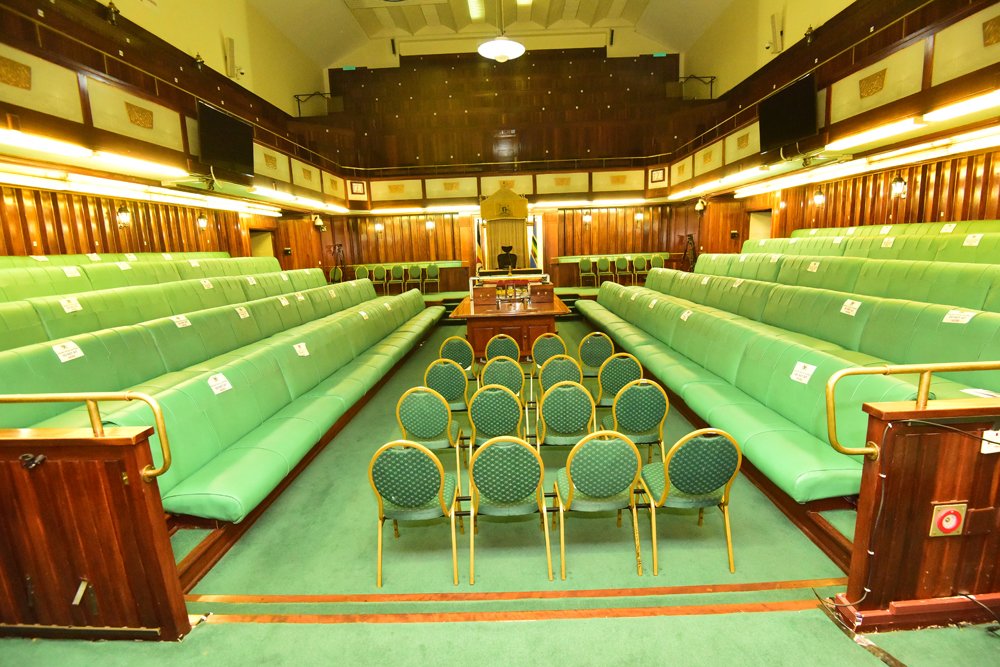
Parliament is tense again today. Heavy security is outside. Some MPs can’t even enter. And inside, they’re about to debate a law that could change how Uganda deals with the outside world — the Protection of Sovereignty Bill, 2026.
On paper, it sounds good. Protect our sovereignty. Who doesn’t want that? The Bill says if any group gets foreign funding above $106,000 a year, government must approve it. It also wants to register “agents of foreigners”. And if you’re found guilty of things like “economic sabotage”, you can face 20 years in jail.
NRM MPs say this will protect our oil, our land, our resources from foreigners who want to meddle. Opposition leader Joel Ssenyonyi is shouting “withdraw it”, saying the Bill in Parliament now is not the same one they first saw. And some NRM MPs themselves are shocked — they went for a retreat in Munyonyo only to find that MPs who didn’t even attend had already signed the report.
So what’s really going on here? Is this about Uganda’s future, or is it about politics as usual?
What Ordinary Uganda Is Hearing And Fearing
For the farmer in Luweero, “sovereignty” is a big word. But when he hears “government must approve foreign money”, he thinks of the NGO that gives his SACCO free seeds and training. “Will they stop coming if this law passes?” That’s the worry.
For the youth in Mbale running a small YouTube channel, “agent of foreigners” sounds scary. “If I get UGX 40 million from a sponsor in America to make videos, will police come for me?” That’s real fear. Because the law talks about “vague definitions” — and vague laws can swallow anyone.
For the bodaboda rider in Nateete, the issue is simple: “Why is there heavy security at Parliament if this Bill is good for us? If it’s for the people, why block MPs from entering?” When you see soldiers and mambas outside Parliament, ordinary Ugandans don’t feel protected. They feel like something is being forced on them.
And the mama in Owino who gets help from a church charity? She’s asking, “Will they call my pastor an agent of foreigners because he gets money from UK to feed orphans?” These are not small questions.
What does an Elite think about the bill?
The lawyer in Ntinda sees danger in the wording. “Economic sabotage” — what does that mean exactly? If I write an article saying Uganda’s debt is too high, is that sabotage? If a civil society group says oil contracts are unfair, are they agents? The law doesn’t explain well. And bad laws are used to silence people.
The business owner in Industrial Area sees risk. Foreign investors hate uncertainty. If you tell them “government must approve your money” and “you might be called an agent”, many will just take their dollars to Kenya or Rwanda. And when investors run, jobs disappear.
The diplomat in Kololo sees isolation. Uganda needs foreign aid, foreign trade, foreign partnerships. If we start jailing people for 20 years because of foreign links, the world will say “Uganda is becoming hostile.” That affects everything from loans to tourism.
The NRM insider sees politics. The Bill is being pushed fast. MPs who missed the retreat already signed. Opposition is locked out. That doesn’t look like democracy. That looks like “we’ve already decided, just come and clap.” And that’s why Ssenyonyi is angry — he says the Bill changed from what was first introduced. In Parliament, that’s a serious procedural problem.
The Real Problems Nobody Is Solving With This Bill
i) The process is broken. When MPs claim they were blocked from Parliament, that’s not sovereignty. That’s suppression. When reports are signed by people who never attended meetings, that’s not lawmaking. That’s rubber-stamping. And laws made like this always come back to bite us.
ii) The Bill fights symptoms, not the disease. If the problem is foreigners stealing our oil, then write a strong oil law. If the problem is fake NGOs doing politics, then regulate NGOs properly. But don’t write a law so wide that it catches teachers, pastors, journalists, and farmers too.
iii) It can be abused. Today it’s NRM in power. Tomorrow it could be someone else. A bad law doesn’t care who’s in State House. It can be used against anyone. So even NRM MPs should think: “Do I want my son arrested for 20 years because he got a scholarship from Germany?”
iv) It scares money away. Uganda needs foreign money — not just aid, but investment. Factories. Hotels. Tech companies. If we send a signal that foreign money is dangerous, then we’ll remain poor while our neighbors grow. Sovereignty without money is just pride with empty pockets.
So What Should Parliament Actually Do?
First: Slow down. If the Bill has changed from the original, then stop and restart the process properly. Let all MPs read it. Let the public see it. Sovereignty is too important to rush behind closed doors. But can the Parliament slow down per this moment.
Second: Define terms clearly. What exactly is “economic sabotage”? What exactly is an “agent of foreigners”? If a church gets money from abroad to build a school, is that an agent? If Makerere gets a research grant, is that sabotage? Write it clear, or don’t write it at all.
Third: Protect real sovereignty, not political power. True sovereignty means Uganda decides its own future without fear. That means strong courts, strong Parliament, strong media. Not laws that make people fear talking to foreigners.
Fourth: Open Parliament doors. You can’t debate sovereignty under heavy security while locking out elected MPs. That’s the opposite of sovereignty. That’s fear.
Fifth: Listen to civil society. Not all NGOs are bad. Many build boreholes, treat HIV, educate girls. If you kill them with paperwork and threats, it’s ordinary Ugandans who will suffer. Separate the bad ones from the good ones instead of using one big law to punish everyone.
The Last Word: Sovereignty Starts At Home
Let’s be honest. You don’t protect Uganda by fearing foreigners. You protect Uganda by making Uganda strong.
Strong institutions. Strong economy. Strong citizens who are not afraid to speak.
If we pass a law that makes Ugandans fear getting help from outside, but we don’t fix corruption inside, then we’ve protected nothing. We’ve just locked ourselves in a house with thieves already inside.
The Protection of Sovereignty Bill might have good intentions. But good intentions with bad process and bad wording create bad laws. And bad laws last longer than the governments that make them.
So before MPs vote today, they should remember: You’re not just voting for NRM or Opposition. You’re voting for the Uganda your children will inherit.
And that Uganda should be free, not fearful.
Because the real test of sovereignty is not how hard you hit foreigners. It’s how well you treat your own people.