A human rights commission is supposed to be uncomfortable for government. That is the job.
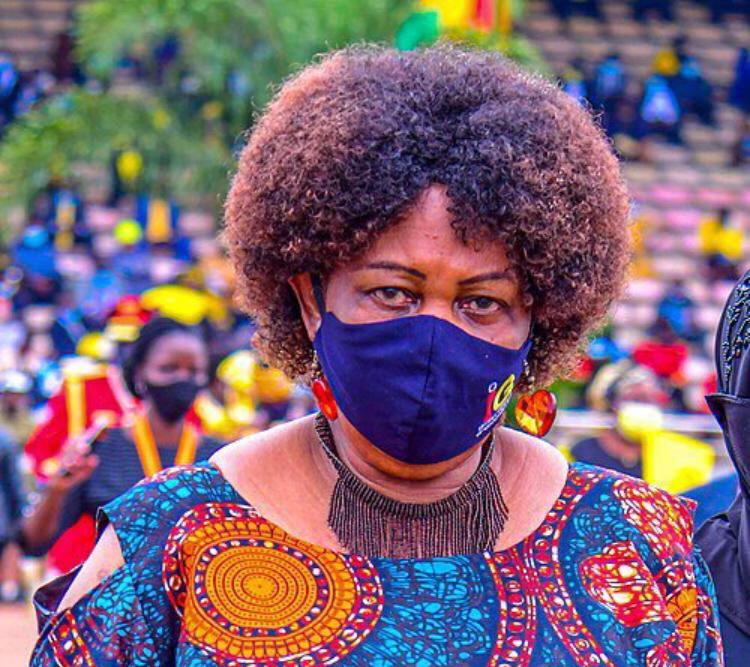
This week, the person leading Uganda’s human rights commission said the quiet part out loud. UHRC Chairperson Mariam Fauzat Wangadya wrote directly to President Museveni. Her message was not diplomatic. It was an indictment.
“You have turned the Commission into a dumping ground for political failures,” she said. “Stop sending individuals who have nothing to offer except using the office to access power and assist in abductions.”
She went further: appointments, she argued, are made for people who “only want a salary,” who are “burdened by debt,” or who need help “to afford ARVs.” If that is the standard, she warned, then “that is exactly why we are in this situation.”
It is rare for a constitutional office holder to publicly rebuke the appointing authority. It is rarer still when the rebuke is about the office itself.
The Constitutional Weight Behind the Words
Chapter Four of the Constitution is the Bill of Rights. It is the longest chapter. And Article 51 gives the UHRC the broadest mandate: to monitor government compliance, investigate violations, educate the public, and recommend prosecution.
In theory, the UHRC is the first door a Ugandan knocks on when a son disappears, when a family is evicted, when a protest turns violent. In practice, people have been asking for years: does that door still open?
Wangadya’s letter says no. Not because the law is weak. But because the people sent to run it are.
The Core Accusation: Appointments as Welfare
Her central claim is about how commissioners are picked. She says the Commission has become a place to “reward” people rejected at the ballot, or to rescue people drowning in loans and medical bills.
The Public Memory: Complaints and Dismissals
The letter did not come in a vacuum. The Commission has faced public criticism over how it handled sensitive cases.
Families have come forward asking about missing relatives. The response from the chair at the time was that some of those named “did not exist” and that families should ask security agencies instead. To many, that sounded like passing the buck.
There were also moments when petitioners felt shut down mid-statement, or when victims were publicly questioned about their credibility. Those moments stick. They become the story people tell in taxis, in churches, in WhatsApp groups: “UHRC cannot help you.”
Now the same chair says the institution is “dead” because of who is appointed. That contradiction is what Ugandans are wrestling with.
For the Ordinary Citizen: “Who Do I Call Now?”
At village level, the UHRC is often the only formal option before going to court. Court is expensive. Police is intimidating. The Commission was designed to be accessible.
If that office is perceived as staffed by people looking for salary relief, trust collapses. A mother in Gulu with a missing son will not travel to Kampala to be told to “ask UPDF.” A boda rider beaten at a checkpoint will not file a form he believes will be ignored.
The danger is not just one bad ruling. It is silence. When people stop reporting, violations become invisible.
Lets make this clear:
When appointments are used to solve political or personal financial problems, two things happen:
1. Competence drops: You get commissioners who cannot read a docket, let alone challenge a ministry.
2. Legitimacy drops: Even good work is dismissed as theater.
Wangadya listed the current commissioners by name. That is unusual. It forces a conversation not just about the chair, but about the bench. Are these people equipped? Are they free to act? Do they have resources, protection, and political backing to say no to power?
The Hard Questions Now on the Table
1. Who qualifies to serve? Should there be minimum standards in law, beyond presidential discretion? Legal background, human rights experience, no active party office?
2. How do we protect commissioners? If they investigate powerful actors, who protects them from transfer, arrest, or public attack?
3. Funding and autonomy: Can a commission be independent if its budget, vehicles, and promotions are controlled by the same executive it must monitor?
4. Follow-up: Investigation is only half the job. What happens to UHRC recommendations? Are they tabled in Parliament? Acted on by DPP?
Without answers, the next chair will inherit the same problem.
Rule of Law Is Not a Slogan
Wangadya ended her appeal with a line that matters: “The RULE OF LAW helps everyone. It’s akin to the air we breathe.”
That is true for the opposition activist and for the minister. For the trader and for the general. When the air is bad, everyone coughs.
A commission that cannot investigate an abduction today cannot protect property tomorrow. A commission that bows to pressure on one case will bow on the next.
What Happens Next
Three paths are possible.
1. Reform the appointment process: Public interviews, parliamentary vetting with teeth, and a bar on recent party officials.
2. Give the Commission teeth: A legal requirement that government must respond to UHRC findings within 60 days, publicly.
3. Do nothing: And watch the institution drift further into irrelevance, until the next crisis makes it a headline again.
Wangadya says she “may not be here tomorrow.” That is a resignation in tone, if not in form. It is also a challenge to the next appointee: will you be credible, or will you be convenient?
Conclusion: A Commission Cannot Bite If It Is Tied
You cannot ask an institution to protect rights while using it to settle political debts.
The UHRC was created because Ugandans in 1995 knew what state abuse felt like. They wrote a long Bill of Rights and created a body to guard it.
If that body is now seen as a place for the indebted and the discarded, then the problem is not the Constitution. It is the will to respect it.
For the ordinary Ugandan, this is about whether there is anywhere to run when the state hurts you. For the elite, it is about whether Uganda wants institutions that outlast personalities.
The chairperson has spoken. The question now is who will listen, and what will change before the next appointment.