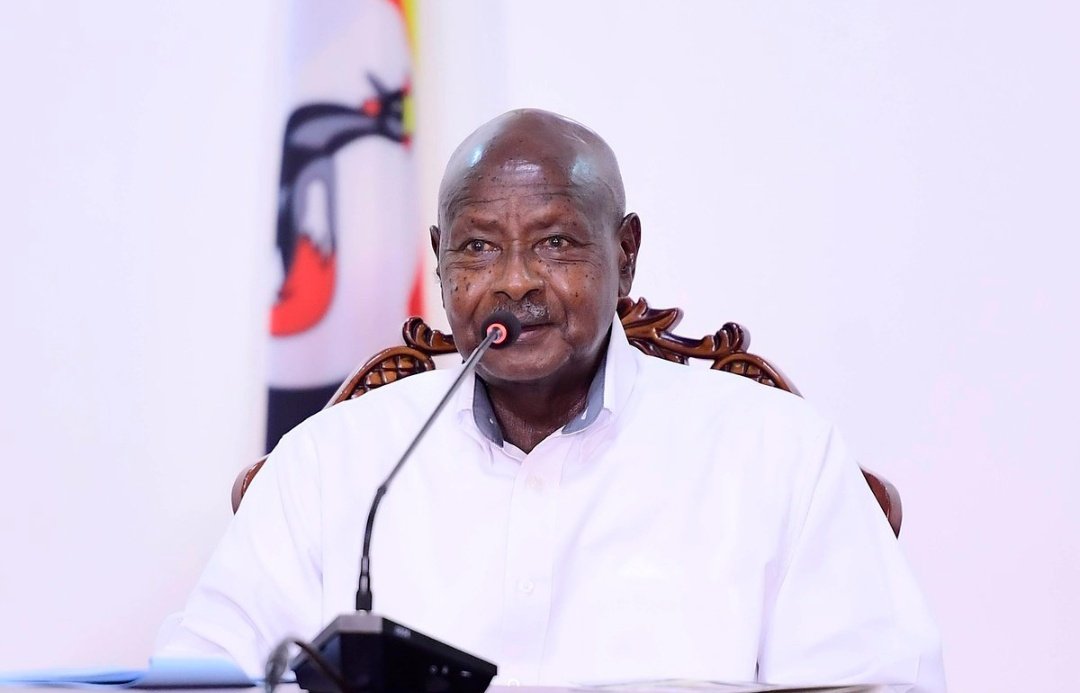
At around 7pm on Saturday, July 4, Ugandans switched on the television and President Museveni spoke directly to the country. No rally. No crowds. Just a chair, a flag, and a list of things that have been bothering the public for months.
For the next hour, Ugandans got a civics class, a history lesson, and a warning, all rolled into one. The message was simple: the state is acting, the law is being followed, and citizens should understand the difference between disorder and discipline.
It landed differently depending on where you were listening from.
“The Basement Is Legal If You End Up In Court”
The biggest applause line online and the biggest groan in living rooms was about detention. The President defended recent security operations led by the Chief of Defence Forces. He said the point of these operations is not to disappear people. The point is to bring them to court.
“At least they are taken to court,” he said, contrasting today with the 1980s when suspects allegedly ended up in Namanve Forest or the Nile. To him, that is due process.
For the ordinary boda rider in Kawempe, that explanation is cold comfort. The fear is not only what happens in court. The fear is the 3am knock, the days without a phone call, the family that doesn’t know where you are. The law says 48 hours. Life on the ground says something else.
For the elite lawyer, diplomat, and CSO director watching, the argument is legalistic. Yes, presenting someone to court matters. But so does how they got there. If “the basement” becomes a recognized stop on the way to court, then we have just normalized a parallel process. That is not due process. That is process with a detour.
“Remand For Years Is Legal. Prove Your Innocence.”
The second point that cut deep was about remand. The President argued that staying on remand for several years is within the law. If you are innocent, the courts will free you.
Technically, he is right. The law allows remand. The practice, however, is what breaks people. Case files get lost. Witnesses don’t show. Prosecutors are overwhelmed.
An ordinary Ugandan on remand doesn’t have a senior counsel on speed dial. They have a mat, a jerrycan, and family selling land to pay for transport to court. Three years later, the case is dismissed. “Justice” came, but it came broke.
The elite will call this a failure of institutions. The man in Luzira calls it his life. When the head of state frames long remand as normal, it tells magistrates, prosecutors, and police that delay is acceptable. That is dangerous.
“Denying Your Partner Sex Is A Crime”
Then came the line about marriage. The President said denying a spouse sex is a big offense.
In many Ugandan homes, this was heard as moral advice. Marriage is work. Communication matters. Don’t let your home collapse.
In law and women’s rights circles, it was heard differently. It sounded like the state entering the bedroom. It raised questions: Who reports this? Who investigates? Who decides?
For the ordinary couple, it may spark a conversation. For lawyers and activists, it sparks fear of misuse. If a domestic dispute becomes a criminal file, we risk turning family courts into police posts. Advice is one thing. Criminalization is another.
Muhoozi, The Media, and “The Dubai Model”
A big part of the address was a defense of the CDF and his recent comments. The President agreed with the observation that in places like Dubai, the press is “disciplined” and people appreciate it. He asked why Uganda cannot have the same.
Here is where the elite and the ordinary diverge again.
The investor in Kololo who goes to Dubai for business loves the order. No noise, no protest, everything works. He wants that in Kampala.
The journalist in Wandegeya, the blogger in Gulu, the student on X — they hear “discipline” and think “silence.” They think of red lines, of stories that cannot be written, of criticism that becomes a crime.
The President’s point was about patriotism and respect. The public’s fear is about space to disagree. A country cannot grow if the only allowed story is the official one.
Besigye, Courts, and The Burden of Proof
The President also spoke about Dr. Kizza Besigye and his trial. He said Besigye does not want to be tried. Besigye’s camp has consistently said the opposite: they want a trial, but a free and fair one, under Article 28.
That is the crux for Uganda right now. It’s not about whether people are tried. It’s about how. Are the charges clear? Is bail reasonable? Are lawyers given access? Is the court independent?
When the President says “they will go to court,” Ugandans are now asking: “Which court, under what conditions, and after how long?”
He also told a personal story about seeing Hon. Miria Matembe limping into court and walking out normally. One person walking out does not fix a system where thousands don’t.
So Where Does This Leave Us?
This address was not just about crime and corruption. It was about defining the rules of the next decade.
For the ordinary Ugandan: The message was “cooperate, be patient, the state is working.” The lived reality is “be careful what you say, where you go, and who you’re seen with.” That gap creates anxiety.
For the elite: The message was “support discipline, or we will import it.” The risk is that “discipline” without accountability becomes impunity with better PR.
The President is betting that Ugandans will trade some freedoms for stability and order. That bet worked in the 1990s. It is a harder sell in 2026, with a young population, a phone in every hand, and a diaspora watching on TikTok.
“Bizeemu” — the past is back — was the slogan he rejected. But by defending basements, long remand, and a tighter media space, he invited the comparison anyway.
A country cannot jail its way to unity. It cannot lecture its way to trust. And it cannot criminalize marriage problems and call it family values.
What Uganda needs now is not more explanations of why the state acted. It needs proof that the state can act within its own rules, on time, and for everyone — not just for those with connections.
That is the test the President set for himself on Saturday night. The country is watching.