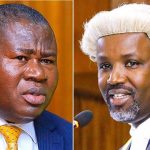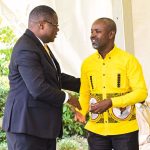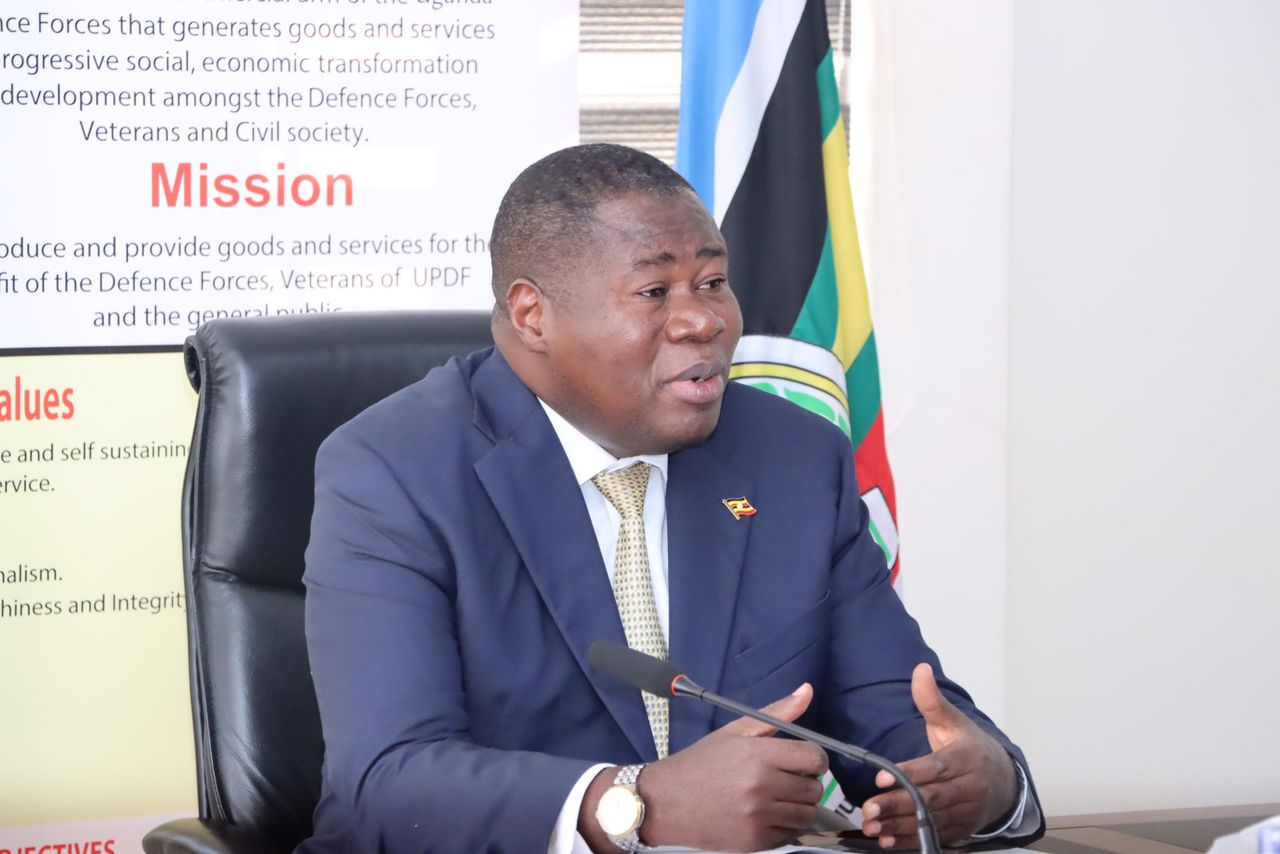
The 12th Parliament opened at Kololo Ceremonial Grounds not with ceremony alone, but with a result that left little room for doubt. Jacob Oboth Oboth, MP for West Budama County, was elected Speaker after securing 441 of the 519 votes cast. The numbers ended the contest early and set the tone for how this House will run.
The motion to nominate him came from Vice President Jessica Alupo, with Frank Tumwebaze seconding. Both framed the choice around experience, integrity, and a working knowledge of parliamentary procedure. In a House where a single point of order can derail a full day’s business, that knowledge matters more than most speeches let on.
A Vote That Closed the Door on Contest
Three candidates were on the ballot: Oboth Oboth for NRM, Paul Mwiru for NUP, and Norbert Mao for DP. The final tally—441 to 60 to 15—shows the caucus discipline the NRM Central Executive Committee worked for ahead of the sitting held.
For the ordinary MP, the result means predictability. A Speaker elected with an overwhelming majority starts with fewer enemies inside the chamber. That reduces the risk of procedural fights that stall budgets and bills. For the public, it means Parliament can move to business faster, rather than spending weeks settling leadership disputes.
The margin also signals something about the opposition benches. Mwiru’s 60 votes reflect a solid NUP presence that will still force debate and amendments. Mao’s 15 show the DP remains present, but marginal in numbers. The 12th Parliament will not be a rubber stamp, but it won’t be gridlocked either.
The Absence That Spoke Volumes
Anita Among’s name was read during roll call, but she did not appear to vote. Accounts from close quarters say she also declined an invitation to the recent CEC meeting, citing security and movement concerns through NRM’s Secretary General and Electoral Commission chair.
Her absence matters because she held the office for five years and shaped much of the House’s recent character. A change at the top rarely happens without a break in style. Where Among was combative and hands-on, Oboth’s reputation in the chamber has been quieter, more procedural.
For the elite within NRM, that shift is deliberate. The party wanted a Speaker who keeps the House within the rules and avoids turning the speakership into a separate power center. For ordinary Ugandans watching at home, it will show up in fewer dramatic adjournments and a more technical handling of debates.
What Changes on Day One
The Speaker’s job is not to make policy. It’s to manage time, enforce rules, and protect the dignity of the House. With Oboth in the chair, expect a stricter reading of procedure. Points of order will be ruled on faster. Members who test the rules will be pulled back sooner.
That has two effects. First, government business is likely to move with fewer interruptions. Second, backbenchers from all sides will need sharper arguments and better prep if they want to change a bill on the floor. The age of long, performative speeches without consequence may be over.
The Road Ahead for the 12th Parliament
The numbers give Oboth a mandate, but not a free hand. The 12th Parliament sits with a more educated public, younger MPs, and a media environment that punishes arrogance quickly. He will need to balance firmness with fairness if he wants to avoid the kind of standoffs that have marred previous terms.
Thomas Tayebwa’s continued presence as Deputy Speaker gives continuity on the mobilization side. Together, they form a pairing designed to keep the chamber orderly and the party’s grassroots informed.
For Uganda, the real test starts now. Budgets, land laws, public debt, and service delivery bills will come before this House. How Oboth manages debate, dissent, and discipline will determine whether the 12th Parliament is remembered for output or for noise.
The vote is done. The gavel has changed hands. Now the work begins.