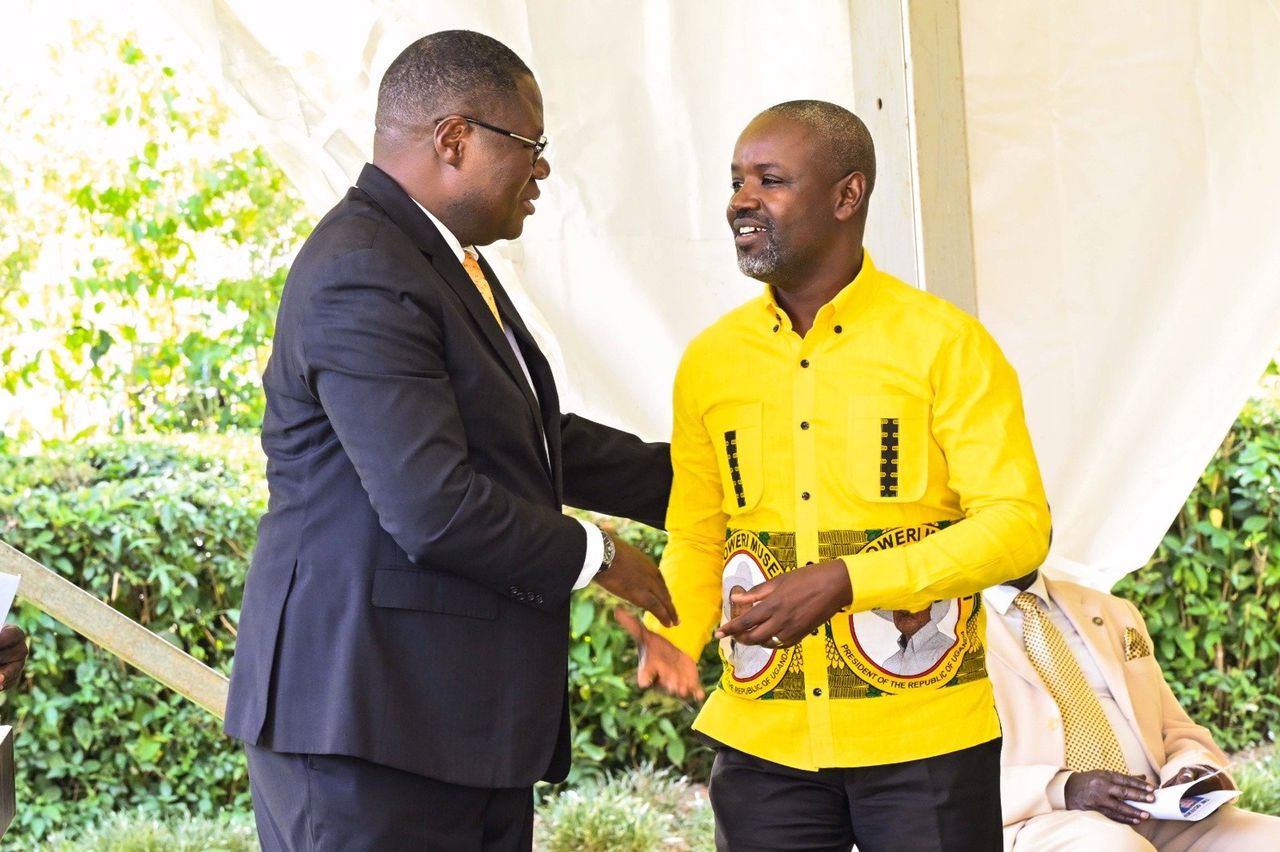
The 12th Parliament’s first sitting ended the way NRM planned it: Jacob Oboth Oboth in the Speaker’s chair, and Thomas Tayebwa back as his deputy. When the votes were counted at Kololo Ceremonial Grounds, Tayebwa had 457 votes against 45 votes for Asinasi Nyakato of PFF and 14 votes for Sarah Aguti of UPC. The margin was decisive, but the contest itself said more about where Uganda’s Parliament is headed than the numbers alone.
Tayebwa’s nomination came from Nebbi Woman MP Phiona Nyamutoro and was seconded by Buvuma’s Robert Migadde. The process followed Article 82 and the rules of procedure, but the politics behind it were set days earlier when the NRM Central Executive Committee settled on the Oboth-Tayebwa pairing. For the ruling party, the goal was simple: avoid a repeat of the speakership fights that have split the caucus and spilled into public view in past terms.
Continuity Over Contest
Tayebwa’s return for a second term fits an unwritten rule that has held in Uganda’s Parliament since 2011: the deputy gets two terms if performance and party standing hold. His record as a mobilizer and his age profile made him useful to NRM beyond the chamber. He can move between Kololo and upcountry without needing translation, and that matters when Parliament’s decisions have to be explained and defended in villages and trading centers.
For the ordinary MP, a known deputy means fewer surprises. For the elite within NRM, it means the line of communication to State House stays short and predictable. The 300-vote result reflects that calculation. It wasn’t a coronation, but it was close enough to make further contest pointless.
The Gender Question Refuses to Stay Quiet
What made the race interesting was the presence of two women in the running. Asinasi Nyakato and Sarah Aguti stepped forward despite NRM’s official endorsement of Tayebwa. Their candidacy kept the conversation on gender balance alive at a moment when Parliament was otherwise focused on procedural housekeeping.
The Constitution does not require the Speaker and Deputy Speaker to be of different genders. That legal fact didn’t stop the debate. Inside Kololo and outside it, MPs and observers argued that leadership optics matter. A House where the top two offices are held by men sends a signal, even if the Constitution allows it.
Nyakato and Aguti didn’t win, but their 45 and 14 votes respectively show there is a bloc within Parliament willing to push for a different balance. For PFF and UPC, fielding candidates was less about winning this vote and more about marking territory ahead of committee elections and future leadership races. For the women’s movement and younger MPs watching, it was a reminder that numbers alone don’t settle representation.
What This Means for the 12th Parliament
With Oboth Oboth and Tayebwa now in place, the leadership team is set to prioritize order and procedure. Tayebwa’s role will be to deputize smoothly, manage time, and keep the caucus aligned when votes get tight. His strength has always been outside the chamber—mobilizing, explaining, calming nerves when a bill threatens to split the party.
For the ordinary Ugandan, the practical effect is likely to be a faster start to business. Budgets, appropriation bills, and oversight motions won’t be held up by prolonged leadership disputes. For the elite, it’s a signal that NRM intends to run Parliament as an extension of its executive agenda, with minimal friction.
But the gender debate won’t disappear because this vote is over. Committee chairships, the Parliamentary Commission, and future speakership races will all become arenas where the same question resurfaces: should Uganda’s Parliament move beyond constitutional minimums on gender representation at the top?
Bottom Line
Tayebwa’s re-election gives the 12th Parliament immediate stability. The leadership is known, the caucus is aligned, and the first sitting avoided drama. Yet the presence and performance of Nyakato and Aguti ensured that stability didn’t come at the cost of ignoring a larger conversation about who gets to sit at the top table.
Parliament will now move to committees and legislation. How the new Speaker and Deputy Speaker handle dissent, debate, and gender balance in those next steps will define whether this Parliament is remembered for order, or for missed chances.